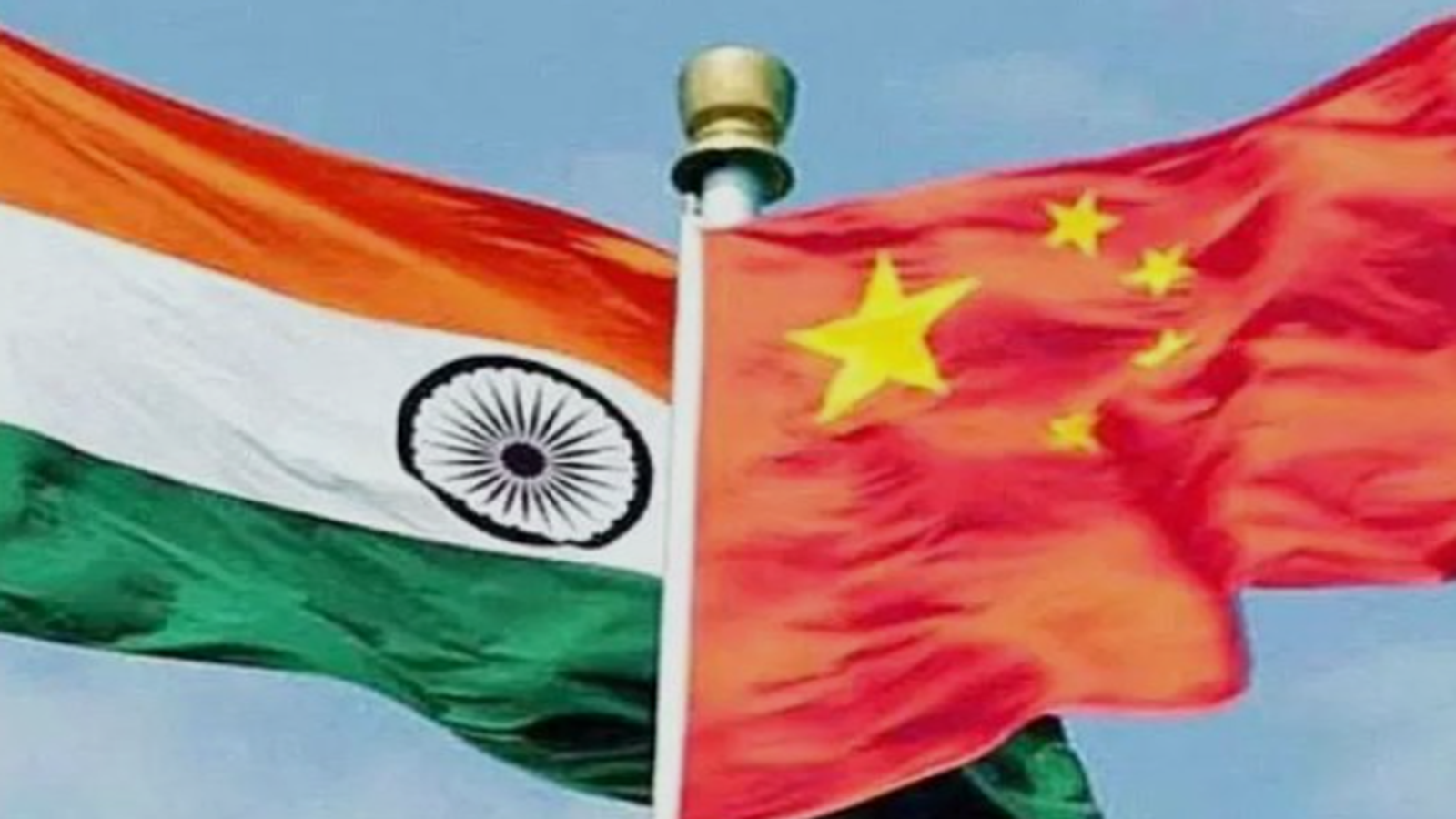
China’s request for a WTO dispute panel against India is not a routine trade quarrel. It places solar cells, solar modules, and information technology goods at the center of a broader fight over industrial policy, market access, and strategic supply chains.
At a meeting of the WTO Dispute Settlement Body on May 22, 2026, members considered China’s request for the establishment of a dispute panel to review Indian measures affecting imports of solar cells, solar modules, and information technology goods. The WTO said the dispute concerns measures that China argues affect imports in these sectors, while India maintained that its measures are consistent with WTO rules.
For SockoPower’s Signal category, the core issue is the product mix. Solar cells and solar modules sit inside the renewable energy supply chain. Information technology goods sit inside the ICT and digital infrastructure chain. Together, they touch two strategic systems: energy transition and technology hardware.
The case began in December 2025, when China requested WTO consultations with India over certain Indian measures on solar cells, solar modules, and information technology goods. Consultations are the first stage of the WTO dispute process, and a panel request usually follows when the parties do not reach a mutually agreed solution.
India reportedly blocked China’s first request for a WTO dispute panel at the May 22 DSB meeting. That is procedurally important but not unusual: under WTO practice, a respondent can block the first panel request, but a renewed request at a later DSB meeting is typically established unless there is consensus against it. Indian press reports said the dispute concerns China’s allegations about India’s tariffs or import duties on certain technology products and measures favoring domestic products over imports.

The strategic signal is sharper than the legal procedure. China is challenging Indian measures in sectors where both countries have strong industrial ambitions. India wants to build domestic capacity in solar manufacturing and technology hardware. China remains a dominant force in global solar manufacturing and a major exporter of technology goods. A WTO dispute over these sectors therefore becomes more than a tariff argument; it becomes a test of how far industrial policy can go before it collides with trade rules.
India’s response also matters. According to reports on the DSB meeting, India argued that its measures are consistent with WTO rules and pointed to the need for responsible and diversified supply chains. India also referenced China’s large share of the global solar module value chain. That framing turns the dispute into a supply-chain security argument, not merely a market-access complaint.
For clean energy, the case is significant because solar supply chains are already geopolitically sensitive. Solar cells and modules are not just climate-policy inputs. They are industrial products tied to manufacturing capacity, energy security, local content policies, trade remedies, and national subsidy strategies. When these products become the subject of WTO dispute escalation, it shows that energy transition hardware is now part of strategic trade conflict.
For ICT goods, the dispute points to a parallel issue. Technology hardware markets are shaped by tariff schedules, domestic manufacturing incentives, and commitments under WTO rules. If India’s measures are found to conflict with its obligations, the case could affect how India structures future support for technology manufacturing. If India successfully defends its measures, it may reinforce room for industrial-policy design under trade constraints.
The narrow takeaway is this: China’s WTO panel request against India is a strategic-technology signal. It does not directly concern military procurement, but it does concern the industrial base behind solar energy, ICT hardware, and digital infrastructure. For SockoPower, that is enough to justify tracking the case closely.
Why It Matters
This item may indicate a policy, technology, and supply-chain direction worth watching. China’s WTO panel request targets Indian measures affecting solar cells, solar modules, and information technology goods — sectors tied to renewable energy infrastructure, ICT hardware, domestic manufacturing, and strategic market access.
SockoPower Takeaway
The China–India WTO dispute is not just about tariffs. It is about whether industrial policy for solar and IT goods can survive inside trade-law constraints. For strategic industry watchers, the case shows how energy transition hardware and digital infrastructure are becoming contested terrain in global trade rules.
What to Watch Next
Watch whether China submits a second request for a WTO panel and whether the panel is formally established at a future DSB meeting.
Watch how India defends its solar and IT measures under WTO rules.
Watch whether the dispute affects India’s domestic solar manufacturing and technology-hardware incentive design.
Watch how the case interacts with broader efforts to diversify solar supply chains away from China.
Watch whether other economies use similar WTO challenges against local-content or incentive-based industrial policies in strategic sectors.
References
WTO, “Members consider Chinese request for dispute panel on solar, IT goods measures in India,” May 22, 2026.
WTO, “China initiates dispute regarding Indian measures on solar cells and information technology goods,” December 23, 2025.
The Economic Times, “India blocks China’s request for dispute panel on solar sector support measures at WTO,” May 22, 2026.
Socko/Ghost
Leave a Reply