Tag: Signal

  • WTO Technology Transfer Workshop Points to the Market Conditions Behind Industrial Capability

    WTO Technology Transfer Workshop Points to the Market Conditions Behind Industrial Capability

    WTO’s April 21, 2026 workshop on incentives for technology transfer to least-developed countries is not a defense technology story. It should not be presented as one. Its value for SockoPower is more precise: it shows the policy conditions under which technology transfer can move from a formal obligation into practical industrial capability.

    The workshop was opened by WTO Deputy Director-General Xiangchen Zhang and focused on incentives for technology transfer to least-developed countries. According to WTO, the discussion highlighted the enabling environment required for technology transfer to take root and deliver results in LDCs. That phrase is the key signal. Technology transfer is not only about moving patents, equipment, or technical documents. It depends on whether the receiving economy has the institutions, finance, skills, coordination, and private-sector participation needed to absorb and use the technology.

    The legal background is Article 66.2 of the WTO TRIPS Agreement. WTO materials describe this provision as requiring developed country members to provide incentives to enterprises and institutions in their territories to promote and encourage technology transfer to LDC members, with the purpose of helping them create a sound and viable technological base. This is important because the obligation is not framed only around governments. It explicitly points to enterprises and institutions as the channels through which technology transfer is expected to happen.

    For SockoPower’s Signal category, the issue is not whether this workshop directly commercializes military technology. It does not. The issue is whether global trade institutions are emphasizing the conditions that allow technology to become productive capacity. That is highly relevant to strategic industry, because dual-use and defense-adjacent technologies also depend on the same foundations: legal predictability, financing, human capital, institutional coordination, private firms, and absorptive capacity.

    The narrow signal is therefore this: technology transfer policy is shifting from formal reporting toward implementation conditions. WTO’s framing suggests that incentives alone are insufficient if the local environment cannot convert transferred knowledge into production, services, training, maintenance, adaptation, and commercialization.

    Shop strapless bras in a variety of sizes like 32AA, 34DD, and more. Find stick on bras, bras with removable straps \& more to go with open back dresses.

    That matters for private companies. A technology market does not emerge simply because a donor, government, or international body says a transfer should occur. It emerges when firms can access finance, protect and use intellectual property, hire or train technical workers, coordinate with public agencies, and sell products or services into a real market. Without those elements, technology transfer remains a reportable activity rather than an industrial result.

    This is where the topic connects to SockoPower’s broader concern with strategic commercialization. Military and dual-use technology markets are not built only by laboratories or defense ministries. They require suppliers, maintenance companies, software firms, testing services, certification pathways, financing channels, procurement signals, and export rules. The WTO workshop is not about that full defense chain, but it points to the same underlying principle: technology becomes power only when the enabling environment allows it to be absorbed and commercialized.

    The LDC context also adds an important caution. Technology transfer cannot be treated as a simple copy-and-paste process from advanced economies to developing economies. The receiving side must build what economists often call absorptive capacity: the ability to understand, adapt, operate, improve, and scale a technology. If that capacity is weak, even generous incentives from developed countries may produce limited industrial outcomes.

    For readers tracking strategic industry, the lesson is practical. When assessing any emerging market for advanced technology, the first question should not be only whether the technology is available. It should be whether the environment can turn that technology into a market. The WTO workshop highlights that the answer depends on law, finance, institutions, coordination, and private-sector engagement.

    Original source

    Why It Matters

    This item may indicate a new policy and technology direction worth watching because WTO’s discussion frames technology transfer as an ecosystem problem. Legal obligations and incentives matter, but technology becomes industrial capability only when finance, absorptive capacity, coordination, and private-sector participation are in place.

    SockoPower Takeaway

    Technology transfer is not a shipment. It is a market-building process. The WTO workshop matters because it points to the conditions that determine whether transferred technology becomes usable capability, commercial activity, and long-term industrial depth.

    What to Watch Next

    Watch whether developed WTO members report more concrete enterprise-level incentives under TRIPS Article 66.2.

    Watch how LDCs define their technology-transfer priorities in areas such as digital infrastructure, energy, health technology, agriculture, climate adaptation, and manufacturing.

    Watch whether private-sector participation becomes more central in future WTO discussions on technology transfer.

    Watch how “enabling environment” language is used in broader debates on strategic technology, dual-use commercialization, and industrial capability building.

    References

    WTO, “Technology transfer workshop highlights role of enabling environment in LDCs,” April 21, 2026.
    WTO Technical Assistance Management System, “Workshop on the implementation of Article 66.2 of the TRIPS Agreement: Incentives for Technology Transfer to LDCs.”
    WTO, “TRIPS Agreement — Article 66.”

    Socko/Ghost
  • China’s WTO Panel Request Against India Puts Solar and IT Supply Chains Under Trade Pressure

    China’s WTO Panel Request Against India Puts Solar and IT Supply Chains Under Trade Pressure

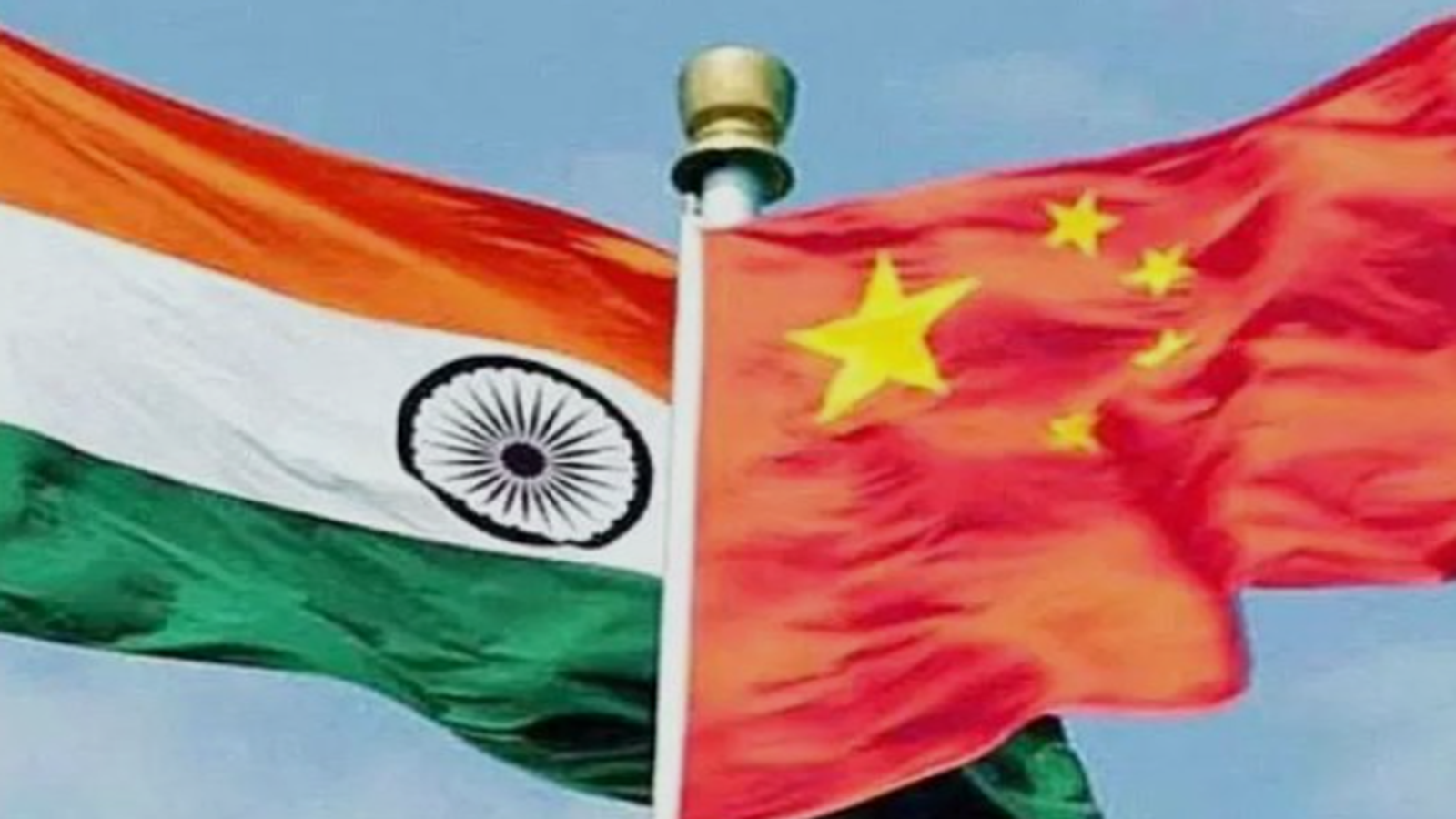
    China’s request for a WTO dispute panel against India is not a routine trade quarrel. It places solar cells, solar modules, and information technology goods at the center of a broader fight over industrial policy, market access, and strategic supply chains.

    At a meeting of the WTO Dispute Settlement Body on May 22, 2026, members considered China’s request for the establishment of a dispute panel to review Indian measures affecting imports of solar cells, solar modules, and information technology goods. The WTO said the dispute concerns measures that China argues affect imports in these sectors, while India maintained that its measures are consistent with WTO rules.

    For SockoPower’s Signal category, the core issue is the product mix. Solar cells and solar modules sit inside the renewable energy supply chain. Information technology goods sit inside the ICT and digital infrastructure chain. Together, they touch two strategic systems: energy transition and technology hardware.

    The case began in December 2025, when China requested WTO consultations with India over certain Indian measures on solar cells, solar modules, and information technology goods. Consultations are the first stage of the WTO dispute process, and a panel request usually follows when the parties do not reach a mutually agreed solution.

    India reportedly blocked China’s first request for a WTO dispute panel at the May 22 DSB meeting. That is procedurally important but not unusual: under WTO practice, a respondent can block the first panel request, but a renewed request at a later DSB meeting is typically established unless there is consensus against it. Indian press reports said the dispute concerns China’s allegations about India’s tariffs or import duties on certain technology products and measures favoring domestic products over imports.

    Shop strapless bras in a variety of sizes like 32AA, 34DD, and more. Find stick on bras, bras with removable straps \& more to go with open back dresses.

    The strategic signal is sharper than the legal procedure. China is challenging Indian measures in sectors where both countries have strong industrial ambitions. India wants to build domestic capacity in solar manufacturing and technology hardware. China remains a dominant force in global solar manufacturing and a major exporter of technology goods. A WTO dispute over these sectors therefore becomes more than a tariff argument; it becomes a test of how far industrial policy can go before it collides with trade rules.

    India’s response also matters. According to reports on the DSB meeting, India argued that its measures are consistent with WTO rules and pointed to the need for responsible and diversified supply chains. India also referenced China’s large share of the global solar module value chain. That framing turns the dispute into a supply-chain security argument, not merely a market-access complaint.

    For clean energy, the case is significant because solar supply chains are already geopolitically sensitive. Solar cells and modules are not just climate-policy inputs. They are industrial products tied to manufacturing capacity, energy security, local content policies, trade remedies, and national subsidy strategies. When these products become the subject of WTO dispute escalation, it shows that energy transition hardware is now part of strategic trade conflict.

    For ICT goods, the dispute points to a parallel issue. Technology hardware markets are shaped by tariff schedules, domestic manufacturing incentives, and commitments under WTO rules. If India’s measures are found to conflict with its obligations, the case could affect how India structures future support for technology manufacturing. If India successfully defends its measures, it may reinforce room for industrial-policy design under trade constraints.

    The narrow takeaway is this: China’s WTO panel request against India is a strategic-technology signal. It does not directly concern military procurement, but it does concern the industrial base behind solar energy, ICT hardware, and digital infrastructure. For SockoPower, that is enough to justify tracking the case closely.

    Original source

    Why It Matters

    This item may indicate a policy, technology, and supply-chain direction worth watching. China’s WTO panel request targets Indian measures affecting solar cells, solar modules, and information technology goods — sectors tied to renewable energy infrastructure, ICT hardware, domestic manufacturing, and strategic market access.

    SockoPower Takeaway

    The China–India WTO dispute is not just about tariffs. It is about whether industrial policy for solar and IT goods can survive inside trade-law constraints. For strategic industry watchers, the case shows how energy transition hardware and digital infrastructure are becoming contested terrain in global trade rules.

    What to Watch Next

    Watch whether China submits a second request for a WTO panel and whether the panel is formally established at a future DSB meeting.

    Watch how India defends its solar and IT measures under WTO rules.

    Watch whether the dispute affects India’s domestic solar manufacturing and technology-hardware incentive design.

    Watch how the case interacts with broader efforts to diversify solar supply chains away from China.

    Watch whether other economies use similar WTO challenges against local-content or incentive-based industrial policies in strategic sectors.

    References

    WTO, “Members consider Chinese request for dispute panel on solar, IT goods measures in India,” May 22, 2026.
    WTO, “China initiates dispute regarding Indian measures on solar cells and information technology goods,” December 23, 2025.
    The Economic Times, “India blocks China’s request for dispute panel on solar sector support measures at WTO,” May 22, 2026.

    Socko/Ghost

  • Kazakhstan’s WTO Steel Dispute With Indonesia Signals Pressure on Industrial Input Trade

    Kazakhstan’s WTO Steel Dispute With Indonesia Signals Pressure on Industrial Input Trade

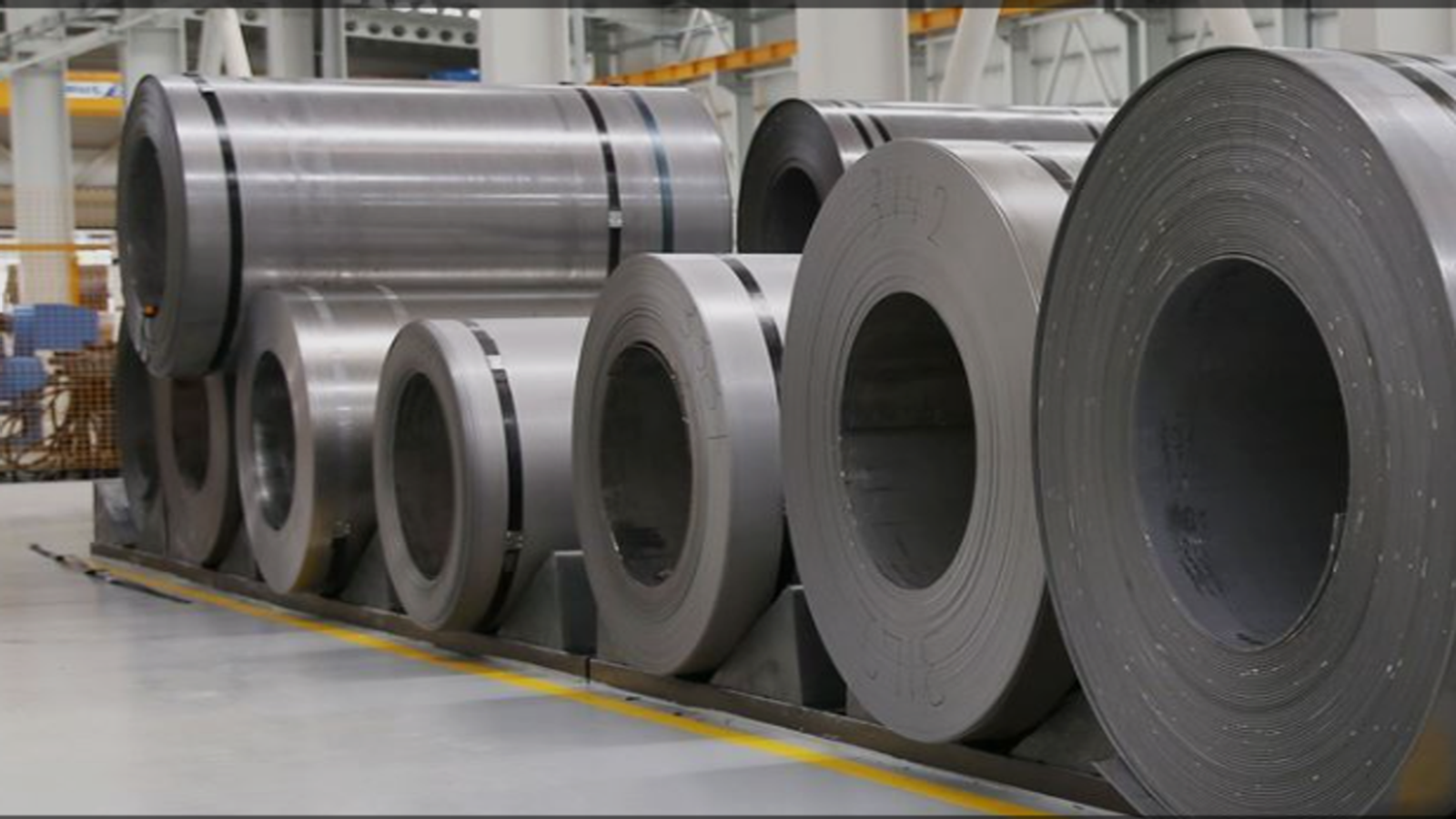
    Kazakhstan’s WTO dispute with Indonesia over hot-rolled steel coils is not a consumer-goods trade story. It is a signal about industrial input trade, market access, and the cost structure behind steel-dependent sectors.

    According to the WTO, Kazakhstan requested dispute consultations with Indonesia regarding additional ad valorem import duties on hot-rolled steel coils originating from Kazakhstan. The request was circulated to WTO members on April 15, 2026. The case is listed by the WTO as DS645, “Indonesia — Anti-Dumping Measures on Imports of Hot-Rolled Steel Coils from Kazakhstan.”

    For SockoPower’s Signal category, the relevance is clear. Hot-rolled steel coils are basic industrial inputs. They sit upstream of construction materials, machinery, automotive production, shipbuilding, infrastructure projects, and defense-adjacent manufacturing. A dispute over duties on these inputs can affect pricing, sourcing choices, and market access for downstream industries.

    Shop strapless bras in a variety of sizes like 32AA, 34DD, and more. Find stick on bras, bras with removable straps \& more to go with open back dresses.

    The case should not be overstated. This is not a direct military supply-chain dispute, and it is not a broad global steel crisis. It is a narrower WTO consultation request over Indonesia’s additional duties on Kazakhstan-origin hot-rolled steel coils. But narrow disputes can still matter when they involve materials that sit near the base of industrial production.

    Industry reporting notes that Kazakhstan initiated consultations at the WTO over the duties and that the request was circulated among WTO members on April 15. GMK Center also reported that this is the first time Kazakhstan has acted as a complainant in the WTO dispute settlement system.

    That institutional detail matters. Kazakhstan is not only defending one product category; it is testing the WTO dispute channel as a complainant in an industrial trade case. For a country with steel production capacity and export ambitions, using WTO procedures can be part of a broader effort to defend market access for industrial goods.

    The narrow signal is this: steel trade remedies are not only about protecting domestic producers. They can also create frictions in the industrial input chain. When duties are applied to hot-rolled coils, the effect can move beyond one exporter and one importer. It can influence downstream cost structures in sectors that rely on flat steel as a base material.

    For SockoPower, this item belongs in Signal because it marks a trade-rule dispute around a strategic industrial input. It does not need to become a long commodity-market essay. Its value lies in tracking where industrial materials, trade remedies, and supply-chain cost pressure begin to intersect.

    Original source

    Why It Matters

    This item may indicate a policy and industrial trade direction worth watching. Hot-rolled steel coils are upstream inputs for construction, machinery, automotive, shipbuilding, infrastructure, and defense-adjacent production. Kazakhstan’s WTO consultation request against Indonesia shows how import duties on basic industrial materials can become a market-access and supply-chain cost issue.

    SockoPower Takeaway

    The Kazakhstan–Indonesia dispute is not about beverages, retail goods, or a minor consumer category. It concerns hot-rolled steel coils, a core industrial input. For Signal, the case matters because steel duties can shape downstream production costs, sourcing decisions, and the trade conditions behind heavy industry.

    What to Watch Next

    Watch whether Kazakhstan and Indonesia resolve the dispute at the consultation stage or whether Kazakhstan requests a WTO panel.

    Watch how Indonesia defends its additional duties on Kazakhstan-origin hot-rolled steel coils.

    Watch whether other steel exporters or importers view the case as a signal for broader steel trade remedy disputes.

    Watch whether the dispute affects pricing, sourcing, or market-access expectations for hot-rolled steel coils in Southeast Asian industrial supply chains.

    References

    WTO, “Kazakhstan initiates dispute regarding Indonesia duties on imported hot-rolled steel coils,” April 15, 2026.
    WTO, “DS645: Indonesia — Anti-Dumping Measures on Imports of Hot-Rolled Steel Coils from Kazakhstan.”
    GMK Center, “Kazakhstan has filed a dispute with the WTO against Indonesia over tariffs on HRC,” April 17, 2026.

    Socko/Ghost

  • Viet Nam’s ITA II Request Signals Deeper Entry Into the Technology Supply Chain

    Viet Nam’s ITA II Request Signals Deeper Entry Into the Technology Supply Chain

    Viet Nam’s request to join the 2015 Expansion of the Information Technology Agreement is not just a routine WTO filing. It is a signal that the country wants deeper integration into the tariff-free trade architecture for information technology products.

    According to WTO, Viet Nam submitted a formal diplomatic note on April 1, 2026 expressing its intention to join ITA II, and the Chair of the Committee of Participants on the Expansion of Trade in Information Technology Products, Andrei Rusu of Romania, informed members of the request at a meeting on April 15. Viet Nam is already a participant in the original Information Technology Agreement, but ITA II would extend its position into the expanded product coverage agreed in 2015.

    For SockoPower’s Signal category, the point is not general trade diplomacy. The point is technology-market positioning. The Information Technology Agreement requires participants to eliminate tariffs on covered IT products, and WTO’s explanation of the agreement identifies product areas such as computers, telecommunications equipment, semiconductors, semiconductor manufacturing equipment, software, and scientific instruments.

    ITA II matters because the 2015 expansion added a large group of technology products to the tariff-elimination framework. WTO described the 2015 deal as covering 201 IT products valued at more than $1.3 trillion annually, with negotiations conducted by 53 WTO members accounting for about 90 percent of world trade in those products.

    That is why Viet Nam’s request is relevant to strategic industry. The issue is not whether this move immediately changes defense procurement or military technology markets. It does not. The more precise signal is that Viet Nam is seeking a deeper place inside the rules structure that supports electronics manufacturing, ICT hardware flows, semiconductor-adjacent trade, and digital infrastructure supply chains.

    Shop strapless bras in a variety of sizes like 32AA, 34DD, and more. Find stick on bras, bras with removable straps \& more to go with open back dresses.

    For a manufacturing economy, tariff treatment on technology products can affect investment decisions, input costs, assembly economics, component sourcing, and the attractiveness of export-oriented production. If Viet Nam joins ITA II, the move would not by itself create a high-tech industrial base. But it would align the country more closely with the trade framework used by economies participating in tariff-free IT product flows.

    This matters for companies watching Southeast Asian technology manufacturing. Industrial capability does not emerge from tariffs alone, but tariffs shape the cost environment around components, equipment, testing tools, and finished products. In sectors tied to electronics and digital systems, even small frictions can influence where firms assemble, source, repair, and scale production.

    The narrow strategic takeaway is that Viet Nam is not simply joining another WTO arrangement. It is signaling a desire to be treated as a deeper participant in the information-technology trade system. For SockoPower, that belongs in Signal because it points to a policy direction worth watching: the movement of a major Southeast Asian manufacturing base toward broader ICT trade liberalization.

    Original source

    Why It Matters

    This item may indicate a technology and trade-policy direction worth watching. Viet Nam’s request to join ITA II connects the country to the expanded tariff-free framework for information technology products, including areas relevant to electronics, telecommunications equipment, semiconductor-related goods, and digital supply chains.

    SockoPower Takeaway

    Viet Nam’s ITA II request is not a defense story, but it is a strategic-technology signal. Technology commercialization depends on more than invention; it also depends on tariff structures, input costs, manufacturing networks, and market access. ITA II participation would strengthen Viet Nam’s position inside the trade rules that support ICT hardware and semiconductor-adjacent supply chains.

    What to Watch Next

    Watch whether WTO participants accept Viet Nam’s ITA II request and how quickly the accession process moves.

    Watch which product categories and tariff lines become most relevant to Viet Nam’s implementation.

    Watch whether ITA II participation strengthens Viet Nam’s position as an electronics and ICT manufacturing hub.

    Watch how companies in semiconductor-adjacent equipment, telecommunications hardware, and digital infrastructure respond to Viet Nam’s deeper alignment with ITA trade rules.

    References

    WTO, “Viet Nam submits request to join Expansion of the Information Technology Agreement,” April 15, 2026.
    WTO, “Information Technology Agreement — an explanation.”
    WTO, “WTO members conclude landmark $1.3 trillion IT trade deal,” December 16, 2015.

    Socko/Ghost