Author: xtower

  • NVIDIA DGX-1

    NVIDIA DGX-1

    The NVIDIA DGX-1 was a purpose-built system for deep learning and AI research, released in 2016 (Pascal-based) and later updated (Volta-based).1 It was essentially the world’s first “deep learning supercomputer in a box.”2

    1. NVIDIA DGX-1 Key Specifications

    The DGX-1 came in two main variants based on the GPU architecture: the initial Pascal (Tesla P100) version and the later, more powerful Volta (Tesla V100) version.3

    FeatureDGX-1 (Pascal – Tesla P100)DGX-1 (Volta – Tesla V100)
    GPUs8x NVIDIA Tesla P1008x NVIDIA Tesla V100
    Total Peak Performance (FP16)170 teraFLOPS1 petaFLOPS (1,000 teraFLOPS)
    Total GPU Memory (HBM2)128 GB (16 GB per GPU)128 GB or 256 GB (16 GB or 32 GB per GPU)
    GPU InterconnectNVIDIA NVLink (hybrid cube-mesh network)NVIDIA NVLink (300 GB/s inter-GPU bandwidth)
    CPUDual 20-Core Intel Xeon E5-2698 v4 2.2 GHzDual 20-Core Intel Xeon E5-2698 v4 2.2 GHz
    System Memory (RAM)512 GB DDR4 LRDIMM512 GB DDR4 LRDIMM
    Storage4x 1.92 TB SSD RAID 04x 1.92 TB SSD RAID 0
    NetworkDual 10 GbE, 4 IB EDRDual 10 GbE, 4 IB EDR
    Form Factor3U Rackmount Chassis3U Rackmount Chassis
    SoftwarePre-integrated Deep Learning Software Stack (CUDA, cuDNN, major frameworks, NVIDIA DIGITS, NVIDIA Docker)Same pre-integrated stack, optimized for V100 Tensor Cores

    2. Business Prospectus and Target Market

    The DGX-1’s business strategy was to provide a turnkey, high-performance platform specifically optimized for the demanding computational needs of Deep Learning (DL) and Artificial Intelligence (AI) training, shifting the focus from custom server building to immediate productivity.

    Core Value Proposition

    The DGX-1 was marketed as the fastest path to deep learning, offering:

    • Revolutionary Performance: Delivering the computational power of many racks of conventional servers in a single box, dramatically accelerating model training time (up to 96X faster in some benchmarks compared to CPU-only servers).4
    • Effortless Deployment: It was a fully integrated system with hardware, deep learning software, and development tools pre-installed and optimized. This “plug-and-play” simplicity was a significant selling point, saving data scientists months of integration and configuration effort.
    • End-to-End AI Solution: It included the NVIDIA Deep Learning Software Stack (frameworks, libraries like cuDNN and NCCL, and tools like NVIDIA Docker), ensuring the hardware was utilized to its maximum potential.5
    • Enterprise Support: NVIDIA offered an enterprise-grade support model (DGXperts) to help customers maximize productivity and resolve critical issues, appealing to large companies and research institutions.6

    Target Market

    The primary customers for the DGX-1 were organizations leading the charge in AI and deep learning:

    • AI and Data Science Research Institutions: Universities and government labs requiring immense compute power for cutting-edge research.7
    • Enterprise AI Development: Fortune 1000 companies across various sectors (tech, automotive, healthcare, finance, consumer internet) that were building, training, and deploying their own production-grade AI models.
    • Cloud Service Providers (CSPs): Companies offering GPU-accelerated cloud instances for AI workloads.
    • High-Performance Computing (HPC): Organizations needing fast computation for accelerated analytics, scientific visualization, and large-scale simulation.8

    In essence, the DGX-1 established NVIDIA’s brand as the leader in providing AI Infrastructure for the Enterpr

    (Source)

    en.wikipedia.org/Nvidia DGX – Wikipedia: The product line is intended to bridge the gap between GPUs and AI accelerators using specific features for deep learning workloads.

    2. NVIDIA Newsroom/nvidianews.nvidia.com: NVIDIA Launches World’s First Deep Learning Supercomputer; NVIDIA DGX-1 Delivers Deep Learning Throughput of 250 Servers to Meet Massive Computing Demands of Artificial Intelligence. April 5, 2016.

    3. en.wikipedia.org/Nvidia DGX – Wikipedia: # Accelerators Model | Architecture | Memory clock — | — | — P100 | Pascal | 1.4 Gbit/s HBM2 V100 16GB | Volta | 1.75 Gbit/s HBM2 V100 32GB | Volta

    4. xyserver.cn/NVIDIA DGX-1: With the computing capacity of 25 racks of conventional servers in a single system that integrates the latest NVIDIA GPU technology with the world’s most

    5. xyserver.cn/NVIDIA DGX-1: It includes access to today’s most popular deep learning frameworks, NVIDIA DIGITS ™ deep learning training application, third-party accelerated solutions,

    6. xyserver.cn/NVIDIA DGX-1: With today’s rapidly evolving open source software and the complexity of libraries, drivers, and hardware, it’s good to know that NVIDIA’s enterprise grade …

    7. Engadget/www.engadget.com: NVIDIA’s insane DGX-1 is a computer tailor-made for deep learning – Engadget

    As for who might be buying these computers, NVIDIA is positioning this machine for serious research purposes — the first machines off of NVIDIA’s assembly …

    8. ResearchGate/www.researchgate.net: Nvidia DGX-1 GPU interconnect [1]. – ResearchGate; High-Performance Computing (HPC) workloads generate large volumes of data at high-frequency during their execution, which needs to be captured concurrently at …

    Socko/Ghost
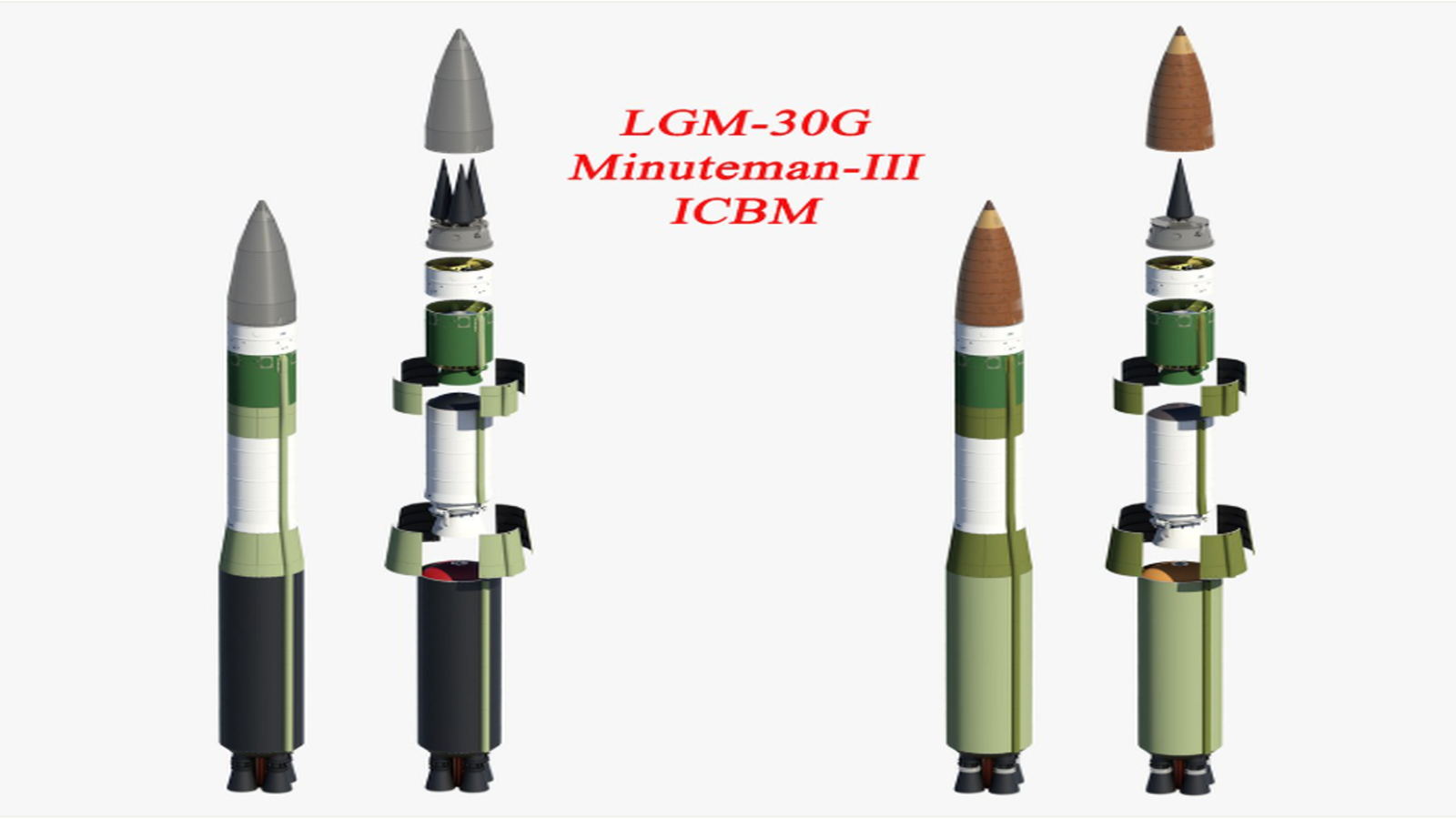
  • LGM-30G Minuteman III – Civil Tech

    LGM-30G Minuteman III – Civil Tech

    The LGM-30G Minuteman III is a three-stage, silo-launched, solid-propellant intercontinental ballistic missile that has been continually modernized since first deployed around 1970. It uses a hardened silo/command network, multi-stage solid propulsion, an onboard inertial guidance/computer system, and robust telemetry/command interfaces. Afghanistan Military+1

    Key subsystems

    The specs are framed for civil uses (satellite launch, sounding rockets, resilient infrastructure, precision navigation, industrial composites, and secure telemetry).

    1) Inertial guidance / guidance computer (onboard navigation & control)

    What it is (concept): self-contained navigation using high-precision accelerometers/gyros and an onboard computer to compute position/attitude without external references. Used in Minuteman for accurate long-range guidance. airandspace.si.edu+1

    Civil applications:

    • spacecraft/launcher stage guidance, sounding rockets, and small satellite attitude control.
    • high-reliability inertial units for aircraft, maritime navigation, and autonomous heavy-equipment where GNSS may be denied.
    • precision surveying and geodesy as an INS supplement to GNSS (dead-reckoning bridging).

    Example civilian spec template (safe, non-weapon):

    • Performance class: tactical INS (drift < 0.1°/hr) vs navigation INS (drift < 1°/hr) vs MEMS grade (drift measured in °/hr or m/s²).
    • Position drift (dead-reckoning): target < 1 km over 1 hour (MEMS) down to < 10 m over 1 hour (high-end tactical).
    • Update interfaces: standard serial/CAN/ARINC/SpaceWire + NMEA/ROS bridging.
    • Environmental: operate −40°C to +70°C, shock to 300 g (packaged), vibration 5–2000 Hz.
    • Reliability: MTBF >10,000 hours; ECC/CRC checked navigation logs.
    • Certification targets: DO-178/ED-12 compatible software practices for safety-critical avionics; DO-160 environmental categories for hardware.

    2) Rugged / radiation-hardened embedded computing & control (guidance computer concept)

    What it is: hardened realtime computer(s) and flight software that run guidance, stage sequencing, health monitoring and telemetry.

    Civil applications:

    • small satellite flight computers, high-reliability industrial controllers (nuclear, mining), and edge controllers for remote/hardened infrastructure (underground data centers, remote launch sites).
    • fault-tolerant control systems for unmanned ships/aircraft.

    Example civilian spec template:

    • CPU class: space-qualified or rad-tolerant single board computer (or COTS with fault-tolerance).
    • RTOS with determinism: 10 ms worst-case latency (as design target).
    • Interfaces: MIL-STD-1553 / CAN / UART / Ethernet (GigE/IP) for telemetry and command.
    • Watchdog/failover: hardware watchdog, dual-redundant power domains, cyclic health logs.
    • Software assurance: versioned firmware, signed updates, rollback protection.

    3) Solid-propellant motor & advanced composite motor cases (materials / manufacturing)

    What it is (concept): high-strength, lightweight motor casings and solid propellant technology historically pushed materials and filament-wound composites.

    Civil applications:

    • sounding rockets and small orbital launch vehicles (first/second stage casings and structural components).
    • composite pressure vessels, high-strength tubes and industrial rocket-motor casings for civil aerospace.
    • high-temperature composite structures in turbomachinery and manufacturing.

    Example civilian spec template (safe):

    • Structural materials: filament-wound carbon-fiber/epoxy composite pressure vessels; design ultimate strength > design pressure × safety factor 2–3.
    • Dimensional/weight targets: optimize for high stiffness-to-mass for aerospace fairings or stage structures.
    • Manufacturing controls: autoclave curing records, NDT (ultrasound/thermography), traceable resin/fiber batches.
    • Certification: meet relevant aerospace structural standards (e.g., ECSS / NASA / ASME for pressure vessels where applicable).

    4) Telemetry, command & secure hardened communications

    What it is: resilient command & control links and telemetry for status monitoring and remote control from hardened command centers.

    Civil applications:

    • secure remote monitoring of critical infrastructure (power grids, remote facilities).
    • telemetry chains for launch ranges, spaceports, and long-duration unmanned platforms.
    • resilient emergency communications for disaster response.

    Example civilian spec template:

    • Bandwidth: scalable telemetry (telemetry heartbeat at 1–10 Hz; burst telemetry up to several Mbps depending on link).
    • Security: mutual authentication, signed command messages, encrypted telemetry (AES-GCM or similar), role-based access.
    • Redundancy: primary + backup comm links (fiber, satellite, radio).
    • Hardened routing: physically separated cabling, redundant power, EMP filtering where required for critical infrastructure.

    5) Hardened silo / hardened infrastructure concepts

    What it is: hardened, protected facilities and distributed remote control centers designed for survivability and long-term readiness.

    Civil applications:

    • underground data centers, disaster-resilient storage sites, emergency operations centers, or secure archives.
    • design of resilient facilities for utilities and emergency response.

    Example civilian spec template:

    • Physical protection: blast-resistant design principles where relevant, redundant power (N+1 UPS + generator), independent cooling loops.
    • Connectivity: dual independent fiber routes; local caching and air-gapped backups for critical data.
    • Environmental controls: HVAC design to maintain 18–27°C, humidity 40–60% with filtration.
    • Accessibility: secure but maintainable access for authorized personnel.

    6) Systems engineering, lifecycle modernization & sustainment

    What it is: long-term engineering programs to upgrade avionics, power, and facilities over decades.

    Civil applications:

    • large technical programs (spaceport modernization, public transport control centers, national infrastructure projects) benefit from modular upgrade paths and obsolescence management.

    Example civilian spec template:

    • Modular avionics/software architecture (plug-and-play replaceable LRUs).
    • Obsolescence plan: 10-year part sourcing, COTS refresh windows every 3–5 years, formal configuration management.
    • Cybersecurity baseline: continuous monitoring, CVE process, periodic pen tests.
    • Practical example civilian projects that can responsibly reuse the concepts
    • Small launch vehicle program: use composite motor cases, high-reliability INS guidance, and rugged flight computer standards to build a sounding-rocket or small orbital launch vehicle under aerospace regulations and payload safety rules.
    • Resilient subterranean data center: apply hardened-facility design, redundant comms, and environmental controls for disaster-resilient hosting.
    • GNSS-denied navigation system: combine a high-grade INS with sensor fusion (odometry, lidar, imaging) for mining/autonomous vehicles.
    • Secure telemetry network for remote science stations: hardened comms, signed telemetry, redundant links.

    Practical example civilian projects that can responsibly reuse the concepts

    • Small launch vehicle program: use composite motor cases, high-reliability INS guidance, and rugged flight computer standards to build a sounding-rocket or small orbital launch vehicle under aerospace regulations and payload safety rules.
    • Resilient subterranean data center: apply hardened-facility design, redundant comms, and environmental controls for disaster-resilient hosting.
    • GNSS-denied navigation system: combine a high-grade INS with sensor fusion (odometry, lidar, imaging) for mining/autonomous vehicles.
    • Secure telemetry network for remote science stations: hardened comms, signed telemetry, redundant links.

    Sources & further reading (public & non-actionable)

    • USAF fact sheet, LGM-30G Minuteman III (overview). Afghanistan Military
    • CSIS / Missile Threat summary (public high-level specs like length, mass, propulsion class). Missile Threat
    • Smithsonian / Air & Space Museum descriptions of the Minuteman guidance and motor artifacts (guidance / avionics concept). airandspace.si.edu+1
    • Industry paper on composite rocket motor cases (materials, manufacturing trends) for civilian composites background. gd-ots.com

    Socko/Ghost

  • RAID: Shadow Legends – military simulation connectivity

    RAID: Shadow Legends – military simulation connectivity

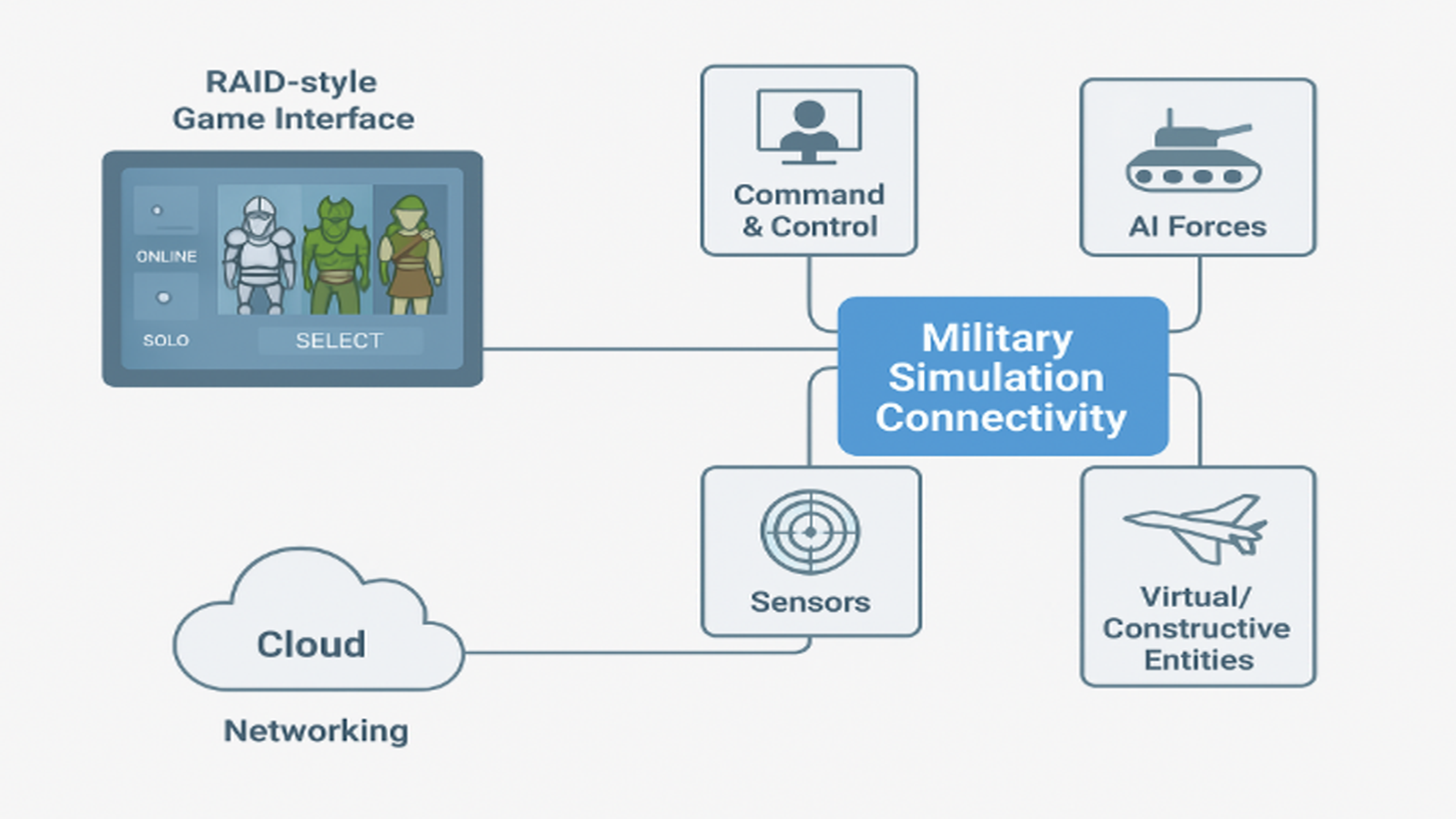
    While RAID: Shadow Legends itself is a fantasy RPG, many of the underlying technologies — network architecture, rendering systems, synchronization mechanisms, and UI frameworks — are directly relevant to modern military simulation platforms.

    The goal wouldn’t be to use the game itself, but rather to adapt its technologies (engine design, networking model, AI control, etc.) to create connected, high-fidelity military training systems.

    From Game Systems to Military Connectivity

    ComponentIn Commercial GameIn Military Simulation
    Network ArchitectureClient-server or P2P synchronization of playersDistributed network with low-latency tactical links, redundancy, and deterministic synchronization
    Server InfrastructureCloud clusters for matchmaking and multiplayerGeo-distributed simulation servers connected via secure military networks or satellite links
    Modular System DesignIndependent quests, character modulesModular battle spaces: command modules, sensor feeds, AI force controllers
    Graphics & RenderingCharacter visuals, cinematic environmentsReal-world terrain, satellite data, thermal & radar visualization layers
    Data InterfacesInternal game APIs for stats, statesOpen interoperability standards like HLA (High Level Architecture) or DIS (Distributed Interactive Simulation)
    Security & AccessAccount logins and anti-cheatEncrypted comms, multi-level clearance, zero-trust network models
    Scalability & UpdatesDLCs, online patchesReal-time scenario updates, adaptive mission injection, integration with C2 systems

    “RAID-Style” Interface for Military Simulation

    Imagine combining a RAID-like game interface with a networked simulation backbone:

    1. Unit/Class Selection Interface
      Just like selecting characters in RAID, soldiers choose their roles — infantry, tank operator, drone pilot — before entering the simulation.
    2. Massively Connected Battlefield
      Dozens of participants join the same digital environment, each controlling their own assets in sync with real-time command feeds.
    3. AI Forces and Behaviors
      The “enemy monsters” become AI-controlled hostile forces that react dynamically to player (trainee) decisions.
    4. Sensor and Data Feeds
      Real-time drone or satellite imagery is overlaid on the game map — rendered inside the engine’s 3D environment.
    5. Multi-Tier Networking
      • Local link: On-site training facility
      • Tactical link: Field-deployed units or live exercises
      • Cloud link: Command centers, after-action review, or AI analysis nodes
    6. Synchronization & Time Management
      Games tolerate some delay; military systems don’t.
      Simulations must ensure deterministic timing, event recovery, and packet re-sync to maintain accuracy.

    Tech Stack That Bridges Both Worlds

    CategoryExample Technology
    Game EngineUnreal Engine 5, Unity, CryEngine (used for serious simulations)
    Networking ProtocolsHLA, DIS, WebRTC (for real-time sync)
    VisualizationNVIDIA Omniverse, Cesium for 3D geospatial rendering
    AI SimulationReinforcement Learning agents for enemy behavior modeling
    Data BackboneSecure cloud or edge computing clusters
    Interface LayerVR/AR headsets, command dashboards, tactical HUDs

    Broader Applications (Dual-Use Potential)

    Military-grade connectivity and simulation tech based on commercial game engines are also used for:

    • Disaster response training
    • Autonomous vehicle coordination
    • Energy and industrial safety simulations
    • Smart city crisis management

    Socko/Ghost

  • Vomit Gun, Puke Ray, LED Incapacitator

    Vomit Gun, Puke Ray, LED Incapacitator

    he concept of a “vomit gun” generally refers to non-lethal weapons designed to induce severe nausea, disorientation, or vomiting in a target, often for crowd control or incapacitation. Since this is not a standardized, widely-fielded weapon, specific “specifications” for a single model are not publicly available.

    However, research into these types of weapons has explored two primary technologies:

    1. Radiofrequency (RF) Weapons:
      • Mechanism: These devices are theorized to use radio waves to disrupt a person’s sense of hearing and equilibrium (balance), which can induce severe motion sickness, leading to nausea and vomiting.1
      • Development: The U.S. Navy and the Department of Homeland Security have reportedly contracted companies to explore this technology, suggesting that it’s a concept that moved past initial theoretical stages.2
      • Potential Feature: Some reports suggest the ability to affect people through non-metallic materials like walls.
    2. Light/LED Incapacitators:
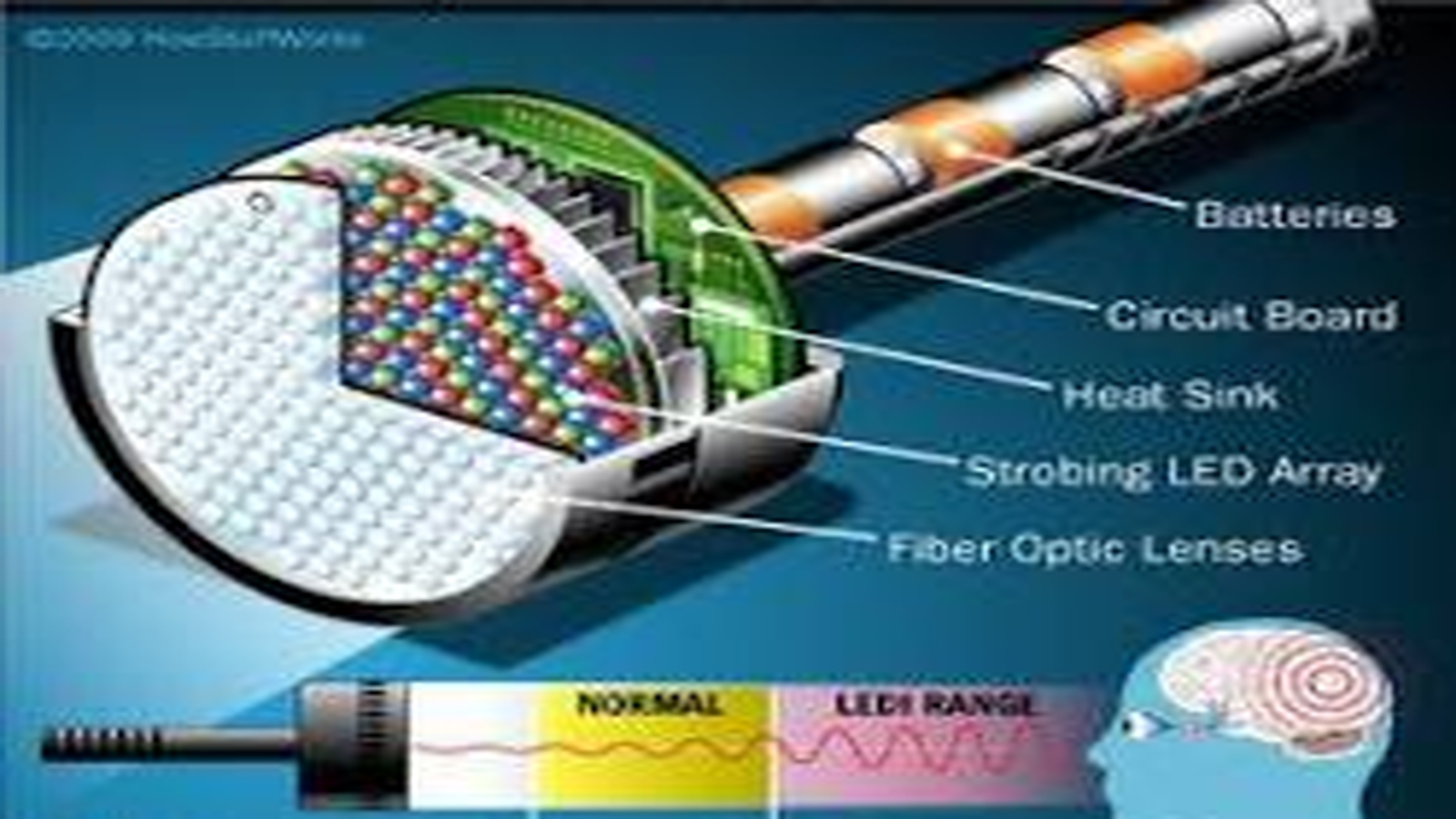
      • Mechanism: These weapons emit a rapid pulse of different colored lights designed to cause neurological effects like dizziness, headaches, and vomiting.3
      • Development: The U.S. Department of Homeland Security has also been involved in the development of LED-based incapacitators.4

    It’s important to note that these are advanced, often experimental, non-lethal weapon concepts. Detailed technical specifications like frequency, power output, or physical dimensions are typically classified or proprietary, especially for devices under military or government contract.

    As the “vomit gun” is a highly specialized, and likely experimental or conceptual, non-lethal weapon, precise public specifications are not available. However, based on the technology it represents (directed energy weapons designed to cause physiological discomfort), the key generalized specifications can be broken down into two main categories: Technical/Performance and Operational/Effect.

    Key Generalized Specifications for Non-Lethal Physiological Weapons

    Specification CategoryKey Metric / Value Range (Generalized)Notes on “Vomit Gun” Concept
    I. Directed Energy (RF/Microwave)
    Frequency BandMillimeter Wave (e.g., ) or other Radiofrequency (RF) ranges.High frequencies like are used for surface-heating (like the Active Denial System) which causes pain. The “vomit gun” concept uses a frequency intended to disrupt equilibrium.
    Effect MechanismRF energy tailored to disrupt the vestibular system (inner ear balance) or induce neurological effects.Unlike heating, the goal is to trigger severe motion sickness (nausea/vomiting) or vertigo.
    Power OutputHigh power (e.g., class or higher for larger systems).Necessary to project the directed energy beam over a stand-off distance and achieve the effect quickly.
    II. Directed Energy (Optical/LED)
    Effect MechanismRapidly pulsed, alternating colored lights.The goal is to induce psycho-physiological effects like dizziness, headache, and vomiting through visual overstimulation.
    Pulse FrequencySpecific flicker frequencies/strobe rates.Designed to interact with the human brain’s visual processing to cause incapacitation (similar to “dazzlers” but with a nausea-inducing effect).
    RangeUp to (for large dazzler systems) to close-range.Varies significantly depending on the device’s power and size (handheld vs. vehicle-mounted).
    III. Operational & Performance Metrics (Common to NLWs)
    Non-LethalityMust achieve incapacitation with a statistically minimal chance of permanent injury ( in some NLW standards).The effect must be reversible and temporary.
    Stand-off Rangeto over (or line-of-sight).A key requirement for non-lethal crowd control to maintain a safety distance from the target.
    Time to Effectto seconds (or “immediate”).The time required for the energy beam to induce the incapacitating effect (e.g., pain, nausea, or disorientation).
    Target SelectivityMust be able to target an individual or a small group without excessive collateral effect.Directed energy beams offer better precision than bulk munitions like tear gas.
    PortabilityFrom handheld (rifle-sized) to vehicle-mounted systems.Determines deployment scenario (individual soldier vs. crowd-control vehicle).

    Summary of the “Vomit Gun” Concept

    The “vomit gun” is a conceptual nickname for a device that achieves incapacitation through induced sickness. It falls under the umbrella of Directed Energy Weapons (DEW) and Intermediate Force Capabilities (IFC). Its core specifications are not about “bullets” or “payload” but about delivering a precise pulse of energy (RF or optical) tailored to disrupt the body’s sensory systems.

    The key performance factors are speed of incapacitation, stand-off range, and guaranteeing the effect is temporary and non-lethal.

    [Source]

    The concept of a “vomit gun” or sickness-inducing non-lethal weapon is tied to development projects by both the U.S. Navy/Military (using radio frequency) and the Department of Homeland Security (DHS) (using light).

    Here are the primary sources that established the development of this technology:

    1. Radio Frequency (RF) – Vestibular Disruption:
      • Developer: The technology was pursued under a U.S. Navy/Military program with a contract awarded to the company Invocon, Inc. (based in Texas).
      • Project Name: EPIC (Electromagnetic Personnel Interdiction Control) was the acronym mentioned in some reports.
      • Mechanism: The goal was to use radio frequency (RF) energy to temporarily disrupt a person’s sense of hearing and equilibrium (the vestibular system in the inner ear), causing symptoms of extreme motion sickness, vertigo, and vomiting.
    2. Light-Emitting Diode (LED) – Psycho-Physiological Disruption (The “Dazzler”):
      • Developer: Intelligent Optical Systems, Inc. (IOS), in collaboration with the U.S. Department of Homeland Security’s Science and Technology Directorate.
      • Project Name: LED Incapacitator (LEDI), also commonly referred to as “The Dazzler.”
      • Mechanism: The device uses high-intensity, multi-colored LED clusters that emit rapid, complex, differentiated strobe light patterns. This visual overstimulation is designed to temporarily cause dizziness, headaches, disorientation, and nausea/vomiting without causing permanent eye damage.

    In summary, the “vomit gun” concept is rooted in two distinct technology developments: Invocon’s RF-based EPIC and Intelligent Optical Systems’ LED-based LEDI.

    Socko/Ghost

  • F-35 Lightning II Fighter Jets

    F-35 Lightning II Fighter Jets

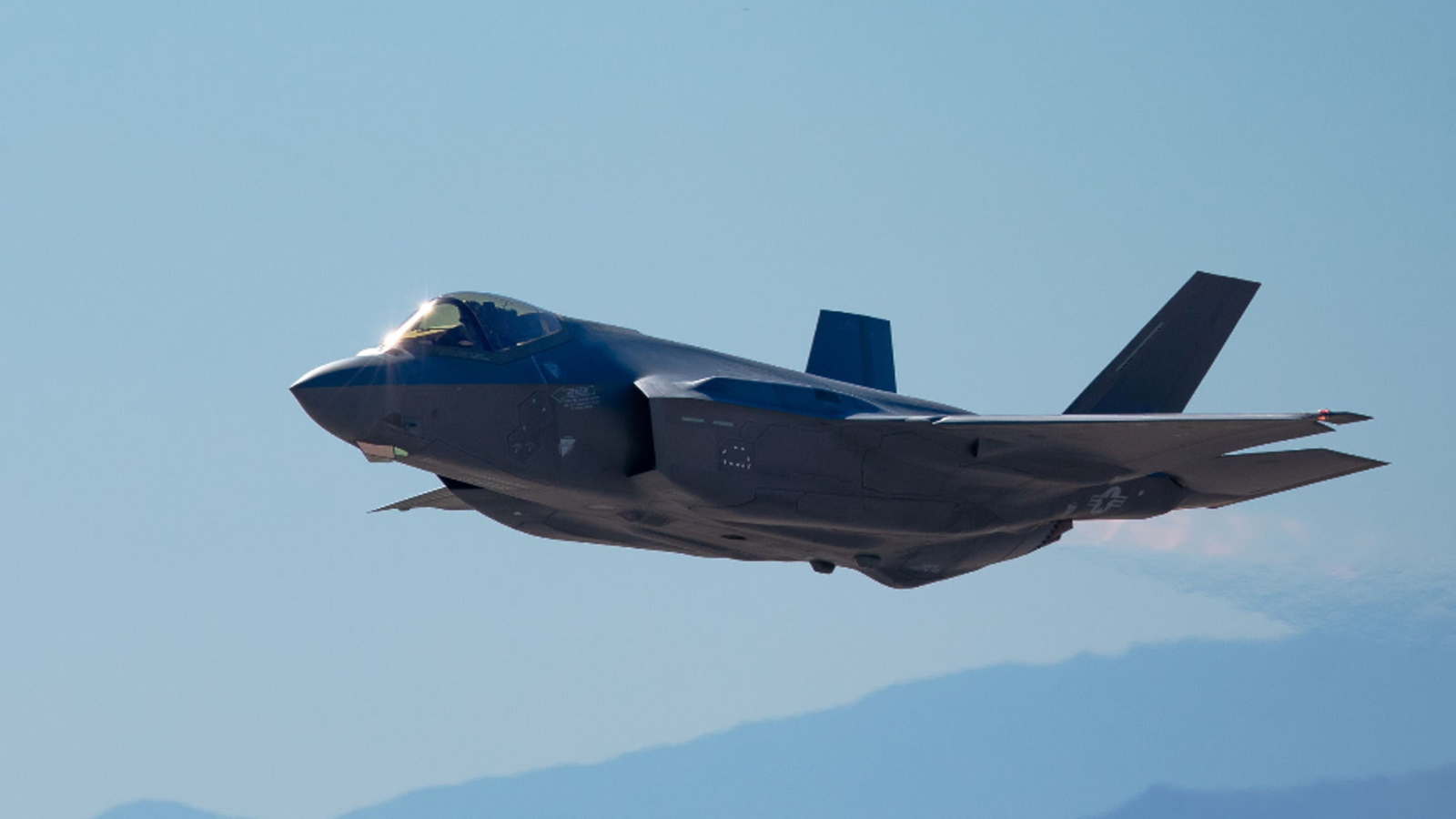
    The F-35 Lightning II is a fifth-generation multirole fighter jet, notable for combining advanced stealth, supersonic speed, and a highly integrated sensor package.1

    Here are the high-tech specifications for the primary variant, the F-35A (Conventional Takeoff and Landing – CTOL), along with its revolutionary features:

    F-35A Lightning II Key Specifications

    CategorySpecification (F-35A)Note
    Generation5th Generation FighterCombines stealth, speed, sensor fusion, and network-enabled operations.
    Max SpeedMach 1.6 (Approx. 1,200 mph)Achieved even with a full internal weapons load.
    Max g-rating9.0 gHigh maneuverability.
    EnginePratt & Whitney F135-PW-100World’s most powerful fighter engine, producing up to 40,000 lbs of maximum thrust.
    Combat Radius> 590 nautical miles (> 1,093 km)Range with internal fuel.
    Weapons Payload18,000 lbs (8,160 kg) totalInternal carriage for stealth, plus external hardpoints for “beast mode.”
    Internal Stealth Armament4 internal hardpoints typically carrying: 2 AIM-120 missiles and 2 2,000 lb GBU-31 JDAM bombs.Maintains a low observable profile.
    GunInternal 25mm GAU-22/A cannon

    High-Tech Features & Avionics (The Core of its 5th Gen Capability)

    The F-35 is often referred to as the “quarterback of the skies” because its technology is focused on information superiority and sensor fusion.2

    1. Advanced Stealth (Low Observability – LO)3

    • Design Shaping: The airframe uses specific geometric shapes and aligned edges to deflect radar energy away from the source.4
    • Radar Absorbent Material (RAM): Special coatings on the skin further reduce and absorb radar signals.5
    • Internal Carriage: Weapons and fuel are carried internally to maintain a very low Radar Cross Section (RCS), allowing it to operate deep in contested airspace.6

    2. Sensor Fusion

    The F-35 automatically merges data from multiple, sophisticated sensors to create a single, unified, and real-time picture of the battlespace for the pilot.7

    • AN/APG-81 Active Electronically Scanned Array (AESA) Radar: Provides superior long-range detection, tracking, and targeting of air and ground threats.8
    • AN/AAQ-37 Distributed Aperture System (DAS): Consists of six infrared cameras mounted around the aircraft, providing the pilot with a 360-degree sphere of situational awareness for missile warning and navigation (the pilot can “see through” the floor of the cockpit).9
    • Electro-Optical Targeting System (EOTS): A stealthy, integrated sensor under the nose that provides long-range air-to-air and air-to-ground precision targeting, infrared search and track (IRST), and reconnaissance capabilities.10

    3. Pilot Interface (The Helmet)

    • Helmet-Mounted Display System (HMDS): This replaces a traditional Head-Up Display (HUD).11 All flight, sensor, and targeting information is projected directly onto the pilot’s visor.
    • “See-Through” Capability: The HMDS uses the DAS data to project an image onto the visor, allowing the pilot to look down, or behind them, and literally see the outside world as if the airframe weren’t there.12

    4. Connectivity & Electronic Warfare

    • Integrated Core Processor (ICP): Acts as the “brain” of the aircraft, processing massive amounts of data from all sensors for communications, electronic warfare, and targeting.13
    • Multifunction Advanced Data Link (MADL): A secure, low-probability-of-intercept/low-probability-of-detection (LPI/LPD) data link that allows F-35s to share their fused combat picture with other F-35s while maintaining stealth.
    • AN/ASQ-239 Electronic Warfare (EW) System: Provides advanced capabilities to locate, track, and jam enemy radar systems and disrupt attacks.14

    Deployment of F-35 fighter jets to South Korea

    The deployment of F-35 fighter jets to South Korea involves both temporary rotational deployments by the U.S. and the Republic of Korea Air Force (ROKAF) operating its own fleet.1

    U.S. F-35 Deployments and Future Plans:

    • Temporary/Rotational Deployments: The U.S. military (USAF and USMC) regularly deploys F-35 variants to the Korean Peninsula, often to participate in major combined exercises like Ulchi Freedom Shield (UFS) and Freedom Shield.2 These are temporary deployments aimed at enhancing combined readiness and deterrence.3
    • Consideration for Permanent Deployment: There are reports and discussions about the U.S. military considering the permanent deployment of a squadron (around 20 aircraft) of F-35As to Kunsan Air Base in South Korea.4
      • This potential move appears linked to a wider U.S. Air Force reorganization that involves consolidating its F-16 fighters at Osan Air Base.5
      • U.S. officials have not officially confirmed a final decision on permanent F-35 basing.6
      • If realized, this would mark the first permanent squadron-level deployment of the F-35 in South Korea and would significantly bolster U.S. air assets on the peninsula.7

    Republic of Korea Air Force (ROKAF) F-35s:

    • Current Fleet: South Korea operates its own fleet of F-35A stealth fighters (currently 39 aircraft, with one retired).8
    • Base: These ROKAF F-35As are permanently based at Cheongju Air Base.9
    • Future Acquisition: South Korea has announced plans to acquire an additional 20 F-35As, which are expected to begin operations around 2027.10
    • Joint Operations: There is consideration for the ROKAF to station some of its incoming F-35As at Kunsan Air Base, which would allow U.S. and ROKAF F-35s to operate jointly from the same location.11

    Socko/Ghost

  • MQ-9 Reaper – U.S. Air Force–operated unmanned aerial vehicle (UAV)

    MQ-9 Reaper – U.S. Air Force–operated unmanned aerial vehicle (UAV)

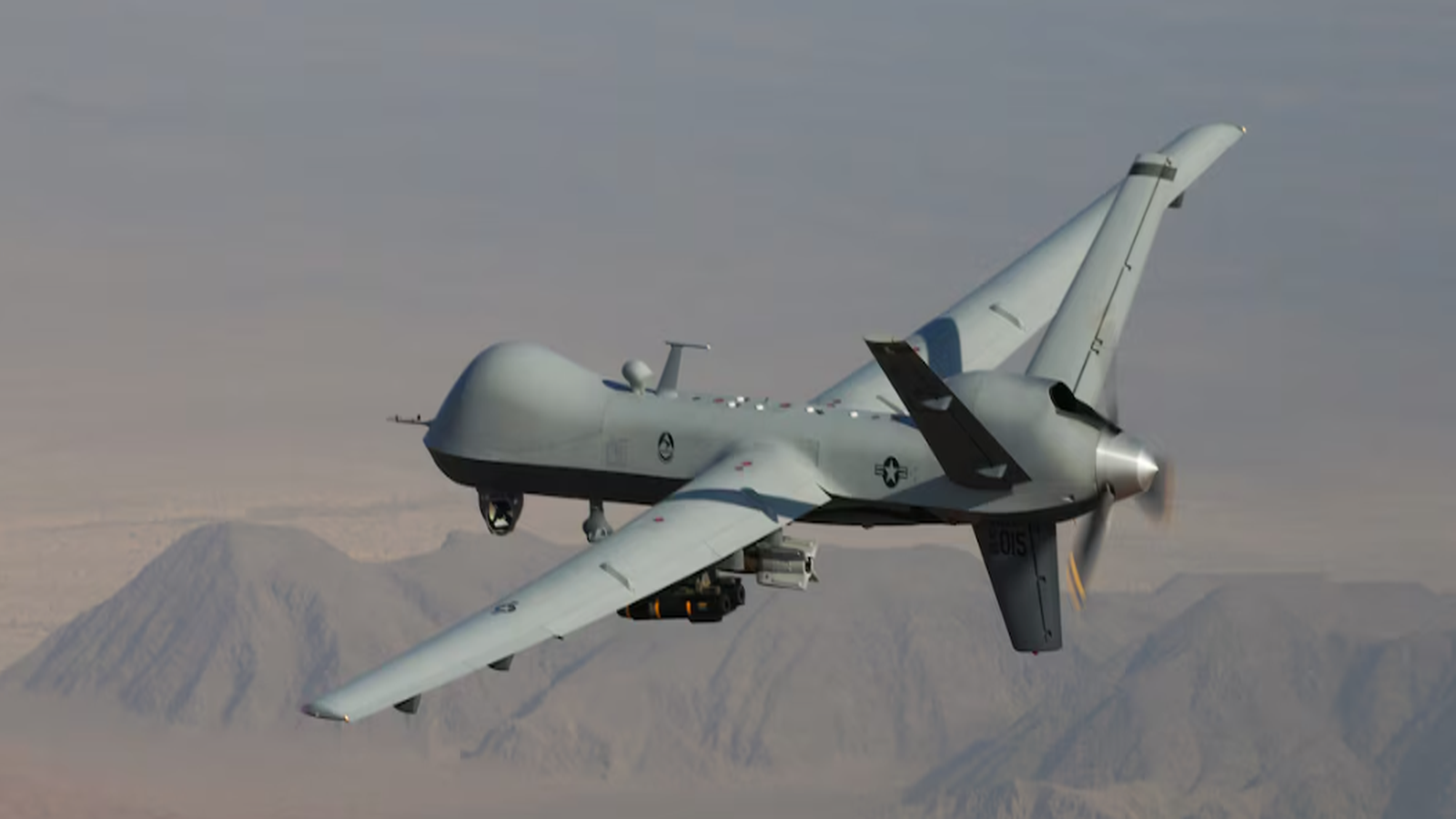
    The MQ-9 Reaper is a U.S. Air Force–operated unmanned aerial vehicle (UAV), designed primarily for long-endurance, high-altitude surveillance and precision strike missions.

    General Characteristics

    CharacteristicDetail
    Primary functionIntelligence, Surveillance, Reconnaissance (ISR); precision strike; target acquisition; close air support; combat search & rescue, etc. (Afghanistan Military)
    ContractorGeneral Atomics Aeronautical Systems, Inc. (Afghanistan Military)
    PowerplantHoneywell TPE331-10GD turboprop engine (Afghanistan Military)
    Propulsive power / thrust~ 900 shaft horsepower maximum (Afghanistan Military)

    For What (Purpose)

    • Intelligence, Surveillance, Reconnaissance (ISR): It carries advanced cameras, radars, and sensors to monitor large areas.
    • Precision Strikes: Armed with Hellfire missiles, laser-guided bombs, and sometimes air-to-air missiles, it can eliminate specific targets with high accuracy.
    • Counterterrorism & Counterinsurgency: Frequently used against high-value militant targets.
    • Battlefield Support: Provides real-time data and strike capability to support ground troops.

    How (Operation & Capabilities)

    • Remote Operation: Pilots and sensor operators control it from ground stations, sometimes thousands of kilometers away.
    • Endurance: Can stay airborne for 27+ hours at altitudes up to 50,000 feet.
    • Speed & Range: About 480–500 km/h, with ranges exceeding 1,800 km.
    • Payload: Up to 3,800 lbs (1,700 kg) including weapons and sensors.
    • Networked Warfare: Relays live video and data to military commanders, improving situational awareness.

    Against Whom (Use in Conflict)

    • Insurgent & Terrorist Groups: Used extensively in Afghanistan, Iraq, Syria, Somalia, and Yemen against Al-Qaeda, ISIS, and Taliban targets.
    • State-Level Adversaries: While mainly used for counterterrorism, Reapers can also conduct surveillance on rival states (e.g., Russia, China, Iran).
    • Non-military Applications (limited): Sometimes adapted for border security, maritime patrol, or disaster monitoring.

    The MQ-9 Reaper is not a traditional fighter jet but a strategic drone that combines persistent surveillance with surgical strike capability, mainly used by the U.S. and allied nations to fight terrorism, insurgencies, and asymmetric warfare, while also serving as a tool for intelligence gathering against major powers.

    Deployment of MQ-9 Reaper drones to South Korea

    The U.S. has deployed MQ-9 Reaper drones to South Korea and just stood up a permanent unit at Kunsan (Gunsan) Air Base. Key points:

    • What / where: The 7th Air Force activated the 431st Expeditionary Reconnaissance Squadron as an MQ-9 unit at Kunsan Air Base (Gunsan) on Sept. 29, 2025. kunsan.af.mil+1
    • Why (purpose): The Reapers will be used primarily for intelligence, surveillance, and reconnaissance (ISR) across the Korean Peninsula and broader Indo-Pacific — improving detection of North Korean activity and supporting allied situational awareness and deterrence. They also retain precision-strike capability (e.g., Hellfire missiles / guided bombs) if tasked. Army Recognition
    • Operational reach: From Kunsan, MQ-9s can loiter for long periods and operate over the peninsula and nearby waters — giving persistent observation and the option for rapid precision response.
    • How this is framed politically: U.S. and ROK officials present the deployment as strengthening monitoring and deterrence against North Korean threats. North Korea typically condemns U.S. force enhancements near the peninsula and may threaten counter-responses; regional neighbors watch these moves closely. The Defense Post+1

    Key Sources

    SourceWhat It ReportsNotes
    Kunsan Air Base / US Air Force Public Affairs“431st Expeditionary Reconnaissance Squadron activates … MQ-9 operations will support U.S.-Korean priorities in intelligence, surveillance, and reconnaissance” kunsan.af.mil
    Korea TimesConfirms U.S. military deployment of MQ-9s to Korea, activation of squadron at Gunsan Korea Times
    Korea JoongAng DailyReports U.S. confirms deployment, that this is first squadron activation for MQ-9 on peninsula Korea Joongang Daily
    Army Recognition“Permanent MQ-9A Reaper presence in South Korea … stand-up on September 29, 2025 of the 431st Expeditionary Reconnaissance Squadron” Army Recognition
    NK News“U.S. stations Reaper drones in ROK to enhance North Korea monitoring” NK News – North Korea News
    Chosun (English version)U.S. Forces Korea confirms permanent MQ-9 deployment in South Korea 조선일보
    KBS / USFK / ROK media“USFK confirms deployment of multipurpose MQ-9 Reaper Drone” KBS World
    DVIDS (Defense Visual Information Distribution Service)Photos and captions from the activation ceremony at Kunsan, referencing 431st ERS and MQ-9 operations DVIDS+1

    Socko/Ghost

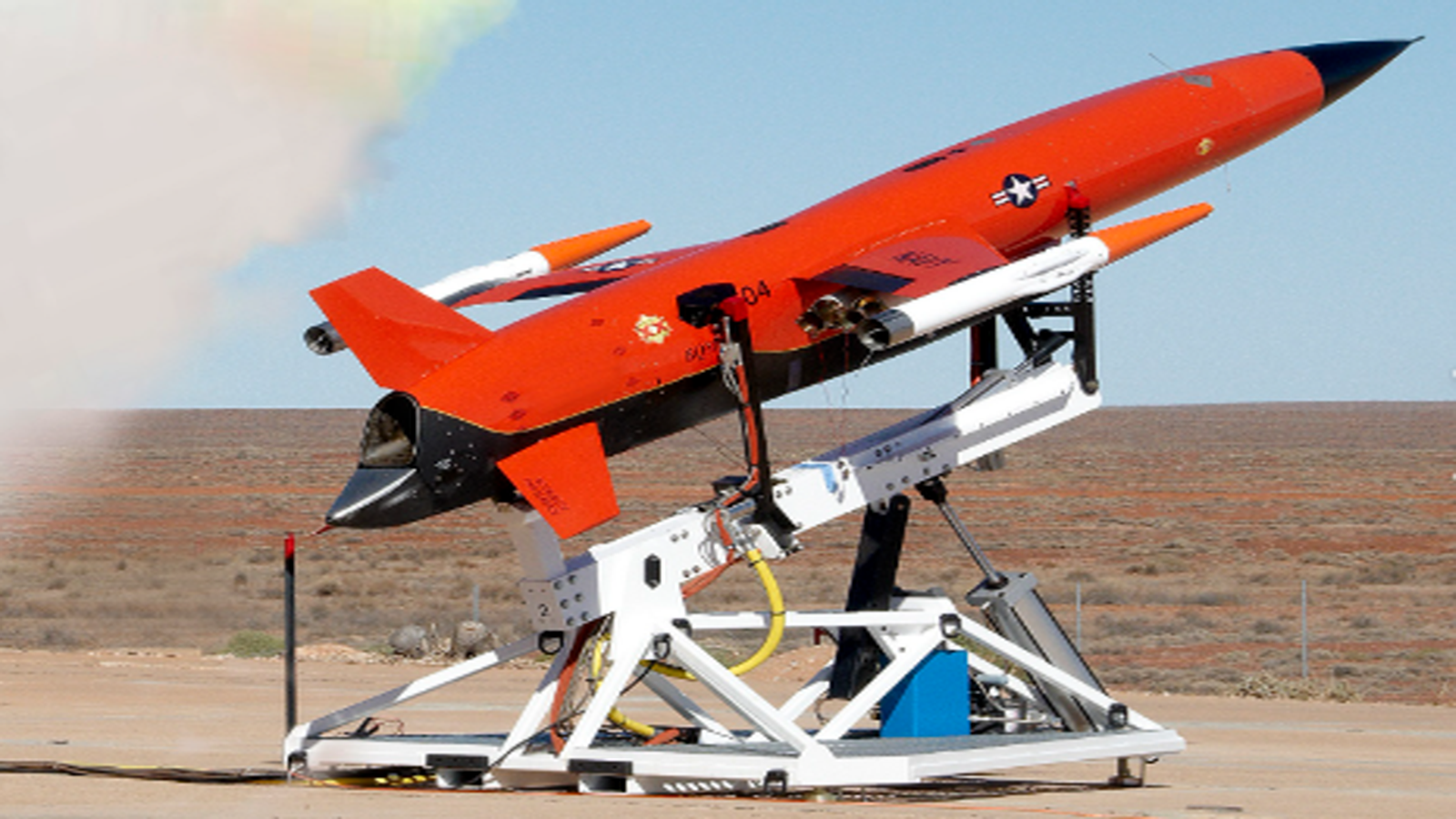
  • BQM-177A drone

    BQM-177A drone

    The BQM-177A Aerial Target Drone is a high-performance unmanned aerial vehicle used primarily for military training and testing purposes. It is designed to simulate enemy aircraft or missiles to help train missile defense systems and pilots. The drone features advanced capabilities such as high-speed flight, maneuverability, and realistic targeting performance.

    Key features include:

    • Designed for missile and radar system testing.
    • Capable of simulating various threats.
    • Long endurance and high altitude capabilities.
    • Replicates the speed, acceleration, and flight profile of actual targets.

    Specifications

    • Length: Approximately 24 feet (7.3 meters)
    • Wingspan: About 12 feet (3.66 meters)
    • Weight: Around 3,300 pounds (1,500 kg)
    • Maximum Speed: Over Mach 2 (approximately 1,500 miles per hour)
    • Range: Up to 300 nautical miles (555 kilometers)
    • Endurance: Over 90 minutes of flight time
    • Altitude: Capable of reaching altitudes of 50,000 feet (15,240 meters)
    • Launch Method: Catapult or booster-assisted launch
    • Recovery Method: Parachute-assisted descent and landing

    Features

    • Advanced avionics: Equipped with sophisticated radar, GPS, and inertial navigation systems.
    • Realistic threat simulation: Capable of mimicking a wide range of aerial threats, including enemy aircraft and missile trajectories.
    • Autonomous operation: Can be pre-programmed or remotely controlled by operators.
    • Stealth features: Designed to reduce radar cross-section and improve survivability during missions.

    Operational Use

    • Mainly used by the U.S. military, especially the Air Force and Navy.
    • Employed for testing missile defense systems like the Aegis Combat System and THAAD.
    • Used in training exercises to prepare personnel for threat detection and interception.

    Development History

    • The BQM-177A was developed by Kratos Defense & Security Solutions, a major aerospace and defense company.
    • Development began to replace older target drones such as the BQM-167 Skeeter and BQM-74 Chukar.
    • The goal was to create a more advanced, high-speed, and long-range target drone capable of simulating modern threat aircraft and missiles.
    • The drone was introduced into service around the mid-2010s and continues to enhance the capabilities of U.S. military testing and training programs.

    Companies Involved

    • Kratos Defense & Security Solutions: The primary developer and manufacturer.
    • The company provides the design, manufacturing, and support services for the BQM-177A.
    • Collaborates with various defense contractors for avionics, propulsion, and other critical components.

    Comparison with Other Aerial Target Drones

    FeatureBQM-177ABQM-167 SkeeterBQM-74 Chukar
    SpeedOver Mach 2Mach 1.2Mach 0.4
    RangeUp to 300 nautical milesAbout 50 nautical milesAbout 10 nautical miles
    Flight TimeOver 90 minutesAround 30 minutesAbout 10 minutes
    AltitudeUp to 50,000 feet20,000 feet5,000 feet
    PurposeHigh-speed threat simulationMid-range target practiceShort-range target practice
    Launch & RecoveryCatapult, parachute recoveryRail launch, parachute recoveryRail or catapult, parachute

    Summary

    The BQM-177A represents a significant leap in aerial target drone technology, offering high speed, long range, and advanced realism to support missile defense testing and training.

    [source: seapowermagazine]

    Socko

  • Unlock Unprecedented Speed and Efficiency in Deep Learning with CUDA Graph Optimization

    Unlock Unprecedented Speed and Efficiency in Deep Learning with CUDA Graph Optimization

    Introduction:

    In the realm of deep learning, where every second counts and model complexity knows no bounds, the pursuit of speed and efficiency has never been more critical. Enter CUDA Graph Optimization, a cutting-edge solution that promises to reshape the way Python code runs for deep learning tasks. In this introductory article, we’ll embark on a journey to uncover the true potential of CUDA Graph Optimization while candidly examining its pros and cons.

    Pros:

    1. Lightning-Fast Computation: CUDA Graph Optimization is a game-changer in the world of deep learning. By harnessing the power of NVIDIA GPUs, it turbocharges Python code execution, delivering significant reductions in training times for even the most intricate deep learning models. Say goodbye to the days of watching progress bars inch along.
    2. Effortless Integration: One of the standout features of CUDA Graph Optimization is its seamless integration into popular deep learning frameworks like TensorFlow and PyTorch. With minimal adjustments to your code, you can tap into the immense potential of CUDA Graphs, enhancing your workflows with ease.
    3. Resource Efficiency: CUDA Graph Optimization isn’t just about speed; it’s also about smarter resource utilization. By optimizing GPU resources, it not only accelerates your deep learning tasks but also helps you save on cloud computing costs, a boon for both individual developers and enterprises.
    4. Multi-GPU Prowess: For those working with multiple GPUs, CUDA Graph Optimization is a true gem. It maximizes GPU utilization across multiple devices, further slashing training times for large-scale, data-hungry models.
    5. Tailored to Your Needs: CUDA Graph Optimization doesn’t come in a one-size-fits-all package. It’s highly customizable, allowing you to fine-tune the graph construction process and adapt it to your project’s specific requirements.

    Cons:

    1. Learning Curve: While CUDA Graph Optimization promises remarkable speed gains, it does come with a learning curve. Users, especially those new to GPU optimization techniques, may need to invest time in understanding the intricacies of graph construction and optimization.
    2. Compatibility Checks: Although CUDA Graph Optimization plays well with popular deep learning frameworks, it’s important to verify compatibility with your specific framework version. Ensuring alignment may require some diligence on your part.
    3. Hardware Prerequisites: To fully embrace CUDA Graph Optimization’s power, you’ll need a compatible NVIDIA GPU. Users with older hardware may need to consider upgrading to unlock its full potential.

    Conclusion:

    In the dynamic landscape of deep learning, CUDA Graph Optimization emerges as a transformative force. Its ability to accelerate Python code execution opens the door to faster, more efficient deep learning workflows. While there’s a learning curve and compatibility considerations, the advantages far outweigh the drawbacks.

    Are you ready to revolutionize your deep learning projects and experience unmatched speed and efficiency? Dive into the world of CUDA Graph Optimization today.

    Learn more about CUDA Graph Optimization and supercharge your deep learning endeavors.

    Disclaimer: This article is based on information available up to September 2021. Verify the latest updates and compatibility with your specific deep learning environment before making a decision.

    Socko/Ghost

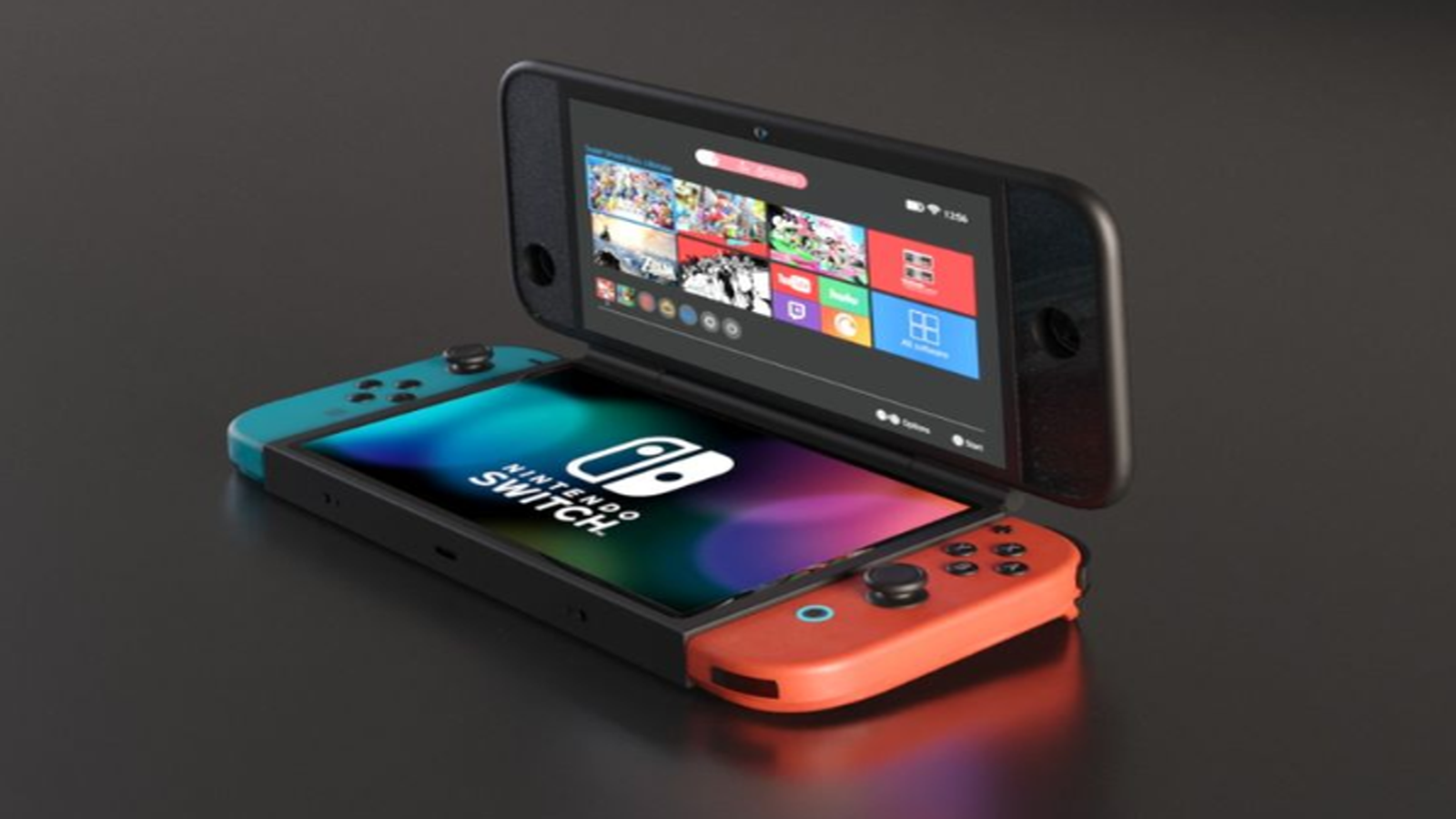
  • Elevate Your Gaming Experience with the Nintendo Switch 2 – A Game-Changer in Every Way!

    Elevate Your Gaming Experience with the Nintendo Switch 2 – A Game-Changer in Every Way!

    Introducing the Nintendo Switch 2, the highly anticipated successor to the wildly popular Nintendo Switch. This next-generation console takes gaming to a whole new level with its advanced features and stunning graphics. With increased processing power, smoother gameplay, and improved loading times, the Nintendo Switch 2 delivers an unrivaled gaming experience like never before.

    One of the standout features of the Nintendo Switch 2 is its vibrant and immersive display. The high-definition screen ensures that every detail of your favorite games comes to life, bringing you closer to the action. Whether you’re playing in handheld mode or docking the console to your TV, the visuals are breathtakingly crisp and vibrant.

    The Nintendo Switch 2 also boasts an expanded game library, featuring both beloved classics and exciting new titles. From adventure and action to sports and puzzle games, there’s something for everyone. Whether you prefer single-player campaigns or multiplayer mayhem, the Nintendo Switch 2 offers endless entertainment possibilities.

    But the fun doesn’t stop there. With its innovative Joy-Con controllers, the Nintendo Switch 2 allows for highly interactive and intuitive gameplay. The detachable controllers provide a range of motion controls and haptic feedback, making every gaming session feel incredibly immersive. Furthermore, the console supports multiplayer gaming, allowing you to connect with friends both locally and online, for hours of competitive or cooperative fun.

    In addition to its gaming capabilities, the Nintendo Switch 2 doubles as a versatile entertainment device. You can use it to stream your favorite movies and shows, browse the internet, or even listen to music. With its sleek design and portable nature, you can take your entertainment with you wherever you go.

    The Nintendo Switch 2 is set to revolutionize the gaming landscape, offering an unparalleled level of entertainment and excitement. Whether you’re a casual gamer or a hardcore enthusiast, this console is sure to captivate your imagination and provide endless hours of joy. Get ready to embark on a gaming journey like no other with the Nintendo Switch 2!

    Introducing the Nintendo Switch 2, the highly anticipated successor to the wildly popular Nintendo Switch. This next-generation console takes gaming to a whole new level with its advanced features and stunning graphics. With increased processing power, smoother gameplay, and improved loading times, the Nintendo Switch 2 delivers an unrivaled gaming experience like never before.

    One of the standout features of the Nintendo Switch 2 is its vibrant and immersive display. The high-definition screen ensures that every detail of your favorite games comes to life, bringing you closer to the action. Whether you’re playing in handheld mode or docking the console to your TV, the visuals are breathtakingly crisp and vibrant.

    The Nintendo Switch 2 also boasts an expanded game library, featuring both beloved classics and exciting new titles. From adventure and action to sports and puzzle games, there’s something for everyone. Whether you prefer single-player campaigns or multiplayer mayhem, the Nintendo Switch 2 offers endless entertainment possibilities.

    But the fun doesn’t stop there. With its innovative Joy-Con controllers, the Nintendo Switch 2 allows for highly interactive and intuitive gameplay. The detachable controllers provide a range of motion controls and haptic feedback, making every gaming session feel incredibly immersive. Furthermore, the console supports multiplayer gaming, allowing you to connect with friends both locally and online, for hours of competitive or cooperative fun.

    In addition to its gaming capabilities, the Nintendo Switch 2 doubles as a versatile entertainment device. You can use it to stream your favorite movies and shows, browse the internet, or even listen to music. With its sleek design and portable nature, you can take your entertainment with you wherever you go.

    The Nintendo Switch 2 is set to revolutionize the gaming landscape, offering an unparalleled level of entertainment and excitement. Whether you’re a casual gamer or a hardcore enthusiast, this console is sure to captivate your imagination and provide endless hours of joy. Get ready to embark on a gaming journey like no other with the Nintendo Switch 2!

    Cons:

    1. Price Point: As with any premium gaming console, the Nintendo Switch 2 comes at a higher price point. However, the quality and features justify the investment for serious gamers.
    2. 4K TV Required: To fully experience the 4K capabilities, you’ll need a 4K-compatible TV, which might be an additional expense for some users.
    3. Limited Launch Titles: While Nintendo promises a steady stream of new titles, the initial launch lineup may feel somewhat limited compared to older consoles.

    Get ready to elevate your gaming experience with the Nintendo Switch 2! Dive into breathtaking 4K worlds, immerse yourself in captivating stories, and connect with players worldwide. Don’t miss out on this game-changer; order your Nintendo Switch 2 today!

    Disclaimer: This article is based on information available up to September 2021. Verify the latest updates and compatibility with your specific deep learning environment before making a decision.

    Socko/Ghost