Category: Insights

Public-sector signals translated into market-facing intelligence.

  • TSMC, Foxconn & ST Engineering: How Indo-Pacific Supply Chain Diversification Is Reshaping Critical Technology Networks

    TSMC, Foxconn & ST Engineering: How Indo-Pacific Supply Chain Diversification Is Reshaping Critical Technology Networks

    In the Indo-Pacific theater, the long-running U.S.–China rivalry is no longer a diplomatic abstraction. It has become a powerful driver of corporate strategy and industrial supply chain restructuring, particularly for firms with exposure to semiconductors, electronics manufacturing, and defense technologies.

    The regional diversification of supply chains reflects more than geopolitical signaling. Companies with strategic technologies are being compelled to rebalance production footprints, secure alternative sourcing, and reduce dependencies on China-centered networks—a shift that is now influencing capital flows and competitive positioning across global markets. trendsresearch.org+1


    TSMC (Taiwan Semiconductor Manufacturing Company): From Risk Zone to Strategic Hub

    The world’s most advanced logic chips are overwhelmingly produced by Taiwan Semiconductor Manufacturing Company. A recent disruption—such as the April 2024 earthquake that briefly shuttered TSMC facilities—highlighted how concentrated semiconductor output can imperil global technology supply chains. saisreview.sais.jhu.edu

    To mitigate such systemic risk, TSMC is expanding fabrication capacity in Japan and the United States, and accelerating investments in India. These moves reflect a broader industry trend in which major chipmakers pursue a “China+1” diversification strategy—maintaining existing bases while building alternative capacity outside China. trendsresearch.org

    The strategic implication is clear:
    TSMC’s production realignment enhances its resilience but also strengthens the technological autonomy of U.S. allies and partners in the Indo-Pacific. That, in turn, embeds TSMC deeper into defense and critical infrastructure supply networks—far beyond its commercial consumer electronics market.


    Shop strapless bras in a variety of sizes like 32AA, 34DD, and more. Find stick on bras, bras with removable straps & more to go with open back dresses.

    Foxconn: Diversifying Electronics Manufacturing Beyond China

    Another pivotal player is Foxconn, known for assembling iPhones and other consumer devices. Foxconn has significantly shifted capacity toward India and Southeast Asia, driven by rising labor costs in China, U.S.–China trade tensions, and customer demand for supply-chain resiliency.

    This “China-plus-regionalization” strategy not only hedges geopolitical risk but also positions Foxconn as a key partner to global OEMs seeking industrial footprints aligned with Western and Indo-Pacific trade frameworks. trendsresearch.org

    For Foxconn, such diversification is not purely defensive. It offers competitive leverage with major Western customers and opens access to new markets in India, ASEAN, and beyond—turning supply-chain reform into revenue growth.


    ST Engineering: Building Defense and Tech Production in Emerging Indo-Pacific Centers

    In defense and integrated systems, Singapore’s ST Engineering exemplifies a strategic response to the evolving supply landscape. Leveraging its diversified portfolio across digital, land, air, and sea domains, ST Engineering has expanded in-country production arrangements with partners such as Kazakhstan and other Indo-Pacific states. wikipedia

    This approach reflects a broader shift away from centralized manufacturing toward regionally distributed value chains that align with political risk profiles and alliance structures. For ST Engineering, this means securing production capacity in multiple jurisdictions, reducing vulnerability to regional disruptions, and embedding itself more deeply in allied defense ecosystems.


    Rare Earths and Critical Inputs: The Case of Vulcan Elements

    Beyond final assembly, critical inputs such as rare earth magnets are increasingly in focus. Vulcan Elements, a U.S. rare earth magnet producer, recently secured a major Department of Defense-backed loan to expand domestic output—explicitly aimed at reducing dependence on foreign mineral supply chains that China dominates. wikipedia

    This illustrates how supply-chain diversification now reaches raw materials and strategic components, not just finished goods. Companies that can localize or regionalize such critical nodes gain both market and geopolitical leverage.


    The Broader Strategic Realignment

    The corporate strategies of TSMC, Foxconn, ST Engineering, and Vulcan Elements underscore a larger pattern:

    • Partial decoupling of China-centric supply chains in critical technologies is underway. Asian Journal of Peacebuilding Vol. 10 No. 2 (2022)
    • Alternative production hubs—India, Southeast Asia, Japan, and U.S./Europe partnerships—are rapidly gaining traction. trendsresearch.org
    • Indo-Pacific nations pursue multi-alignment strategies, balancing ties with the U.S., China, and other partners to extract economic benefits while managing risk. Pacific Forum

    This realignment is not merely defensive. It is reshaping capital allocation, industrial specialization, and strategic influence in global technology sectors.


    Strategic Implications

    For investors and corporate planners, the implications are profound:

    1. Future value will be concentrated among firms that operationalize diversification early.
      Firms that embed supply-chain resilience into their core business models capture both market share and strategic partnerships.
    2. Geopolitical alignment shapes technology ecosystems.
      Companies must choose where to build capacity based on alliance frameworks and regulatory environments—not just pure cost metrics.
    3. Critical technology networks will bifurcate.
      One set oriented toward U.S. and allied markets, another toward China and its partners.

    In the Indo-Pacific economic order, supply-chain strategy is a strategic asset—no less than intellectual property or brand equity.

    Socko/Ghost

  • From Robotic Grippers to Space Welding: NASA’s SBIR/STTR Awards Map the Next Technology Chain

    From Robotic Grippers to Space Welding: NASA’s SBIR/STTR Awards Map the Next Technology Chain

    Source Record

    NASA’s April 21, 2026 SBIR/STTR announcement shows how space supply chains are built long before they appear as finished spacecraft, lunar systems, or mission hardware. By backing more than 30 small businesses working on in-space manufacturing, advanced batteries, propulsion, robotic gripping, in-space repair, storm tracking, and AI-enabled health monitoring, NASA is not simply funding isolated prototypes. It is cultivating the early technical nodes that can later feed into mission integration, commercial space services, and Earth-facing industrial applications.

    NASA’s April 21 announcement is not simply a small-business funding notice. It is a snapshot of how the space technology supply chain is formed before it becomes visible as a major mission, spacecraft, or industrial program.

    The agency announced the selection of more than 30 companies through its Small Business Innovation Research and Small Business Technology Transfer program, investing approximately $16.3 million in seed funding for technology solutions intended to support NASA missions and the broader space economy. NASA described the awards as part of its longstanding support for American industry.

    For SockoPower’s Chain category, the key point is the structure behind the awards. These are not finished systems. They are early-stage technologies that may later become parts of larger aerospace production chains: materials, sensors, robotics, software, propulsion tools, health-monitoring systems, and mission-support capabilities. The industrial value lies in how NASA uses small firms and research partnerships to mature technologies before they reach full-scale deployment.

    The awards come through two paths. NASA’s SBIR Ignite initiative focuses on commercialization and gives small businesses a path to market their technologies beyond potential NASA use. In this round, 15 firms from 10 states were selected for SBIR Ignite Phase I contracts of up to $150,000 each. NASA also announced STTR Phase II awards, involving small businesses partnered with research institutions, with 17 contracts valued at up to $850,000 each.

    That distinction matters. SBIR Ignite points toward commercial pull. STTR points toward research transfer between companies and institutions. Together, they show a supply-chain model in which NASA does not only buy mature systems from prime contractors. It helps cultivate technical nodes that may later feed into missions, defense-adjacent aerospace markets, commercial space services, and Earth-facing applications.

    Shop strapless bras in a variety of sizes like 32AA, 34DD, and more. Find stick on bras, bras with removable straps \& more to go with open back dresses.

    The selected technology areas are especially relevant to industrial depth. NASA identified award areas including in-space manufacturing, advanced battery technologies, lunar landings, and advanced propulsion for air and spacecraft. These are not isolated science topics. They are enabling layers for long-cycle aerospace production, mission integration, and future operations beyond low Earth orbit.

    The examples in NASA’s announcement make the chain visible. Nanoscale Labs received an SBIR Ignite Phase I award for bio-inspired adhesive materials that could help robots grip objects in space, where traditional vacuum grippers fail and debris or spacecraft components have irregular shapes. QuesTek Innovations received an SBIR Ignite Phase I award for a simulation toolkit designed to predict how welded materials behave in space, a challenge tied to future in-space repair and replacement work.

    NASA also highlighted ASTER Labs, which received an STTR Phase II award for the STORM Module, a software system intended to identify, track, and predict lightning-storm movement in real time from low Earth orbit. NASA noted that the technology may also be adapted to track wildfires or floods. That example connects space-based sensing directly to Earth applications, including severe-weather forecasting, disaster response, and risk monitoring.

    Another example is Tietronix Software, which is developing a portable monitoring platform with sensors, smartphone apps, AI, and extended reality tools to support astronaut health. NASA said the system could eventually support medical assistance for patients in remote environments on Earth. This is a classic dual-use pattern in space technology: a tool developed for extreme mission conditions can later migrate into terrestrial healthcare, remote operations, or field-support systems.

    The broader program shift is also important. NASA’s SBIR/STTR program is moving to a Broad Agency Announcement framework for 2026, replacing a more traditional annual solicitation cycle with phased appendix releases throughout the year. NASA says the shift is intended to make the program more flexible and responsive to changing mission priorities and commercial-market developments.

    That change is highly relevant to the supply chain. A more flexible solicitation structure allows NASA to seek technologies as needs emerge, rather than only through a fixed annual window. In practical terms, this can make small-business participation more continuous and better aligned with mission timing, technology gaps, and market movement.

    The narrow strategic meaning of this NASA item is therefore clear. This is not a story about one grant round. It is a story about how aerospace supply chains are seeded. Before a technology becomes a subsystem, before a subsystem becomes part of a mission, and before a mission becomes a market, early funding programs like SBIR and STTR help determine which technical pathways survive.

    For SockoPower, the signal is not the $16.3 million alone. The signal is the portfolio: robotic gripping, space welding, storm tracking, AI-enabled health monitoring, in-space manufacturing, advanced batteries, lunar landing systems, and propulsion. These are small technical pieces, but they point to the larger industrial architecture NASA is trying to build around future space and Earth applications.

    Original source

    Why It Matters

    This item highlights how NASA uses small-business funding to seed the industrial layers required for future aerospace systems. The awards point to technologies that support robotic operations, in-space repair, sensing, medical monitoring, advanced propulsion, lunar operations, and Earth-facing disaster intelligence. For the Chain category, the importance lies in how early-stage companies become technical nodes in the broader space supply chain.


    SockoPower Takeaway

    NASA’s SBIR/STTR awards show that space supply chains are not built only by large prime contractors. They begin earlier, through small firms, research partnerships, seed funding, prototypes, and mission-specific technical gaps. The companies selected in this round represent the lower layers of a future industrial stack: materials, software, sensors, robotics, health systems, and operational tools.


    What to Watch Next

    Watch which SBIR Ignite Phase I projects move toward commercialization beyond NASA missions.

    Watch which STTR Phase II technologies demonstrate enough maturity to enter larger mission or commercial pipelines.

    Watch how NASA’s new Broad Agency Announcement framework changes the rhythm of small-business participation in space technology development.

    Watch whether technologies in robotics, in-space repair, Earth sensing, and AI-enabled monitoring attract follow-on investment from defense, commercial space, healthcare, or disaster-response markets.

    References

    NASA, “NASA Invests in Small Businesses Innovating for Space and Earth,” April 21, 2026.
    NASA, “Small Business Innovation Research / Small Business Technology Transfer Program.”
    NASA, “NASA SBIR/STTR Program — Program Year 2026 Information Hub.”

    Socko/Ghost

  • NASA’s PACE Turns Earth Images Into Supply Chain Signals

    NASA’s PACE Turns Earth Images Into Supply Chain Signals

    NASA’s “New NASA Views of Earth, From (S)PACE” is not simply a collection of striking Earth images. It is a short demonstration of how orbital observation is turning the planet’s surface, oceans, clouds, smoke, and biological activity into readable signals.

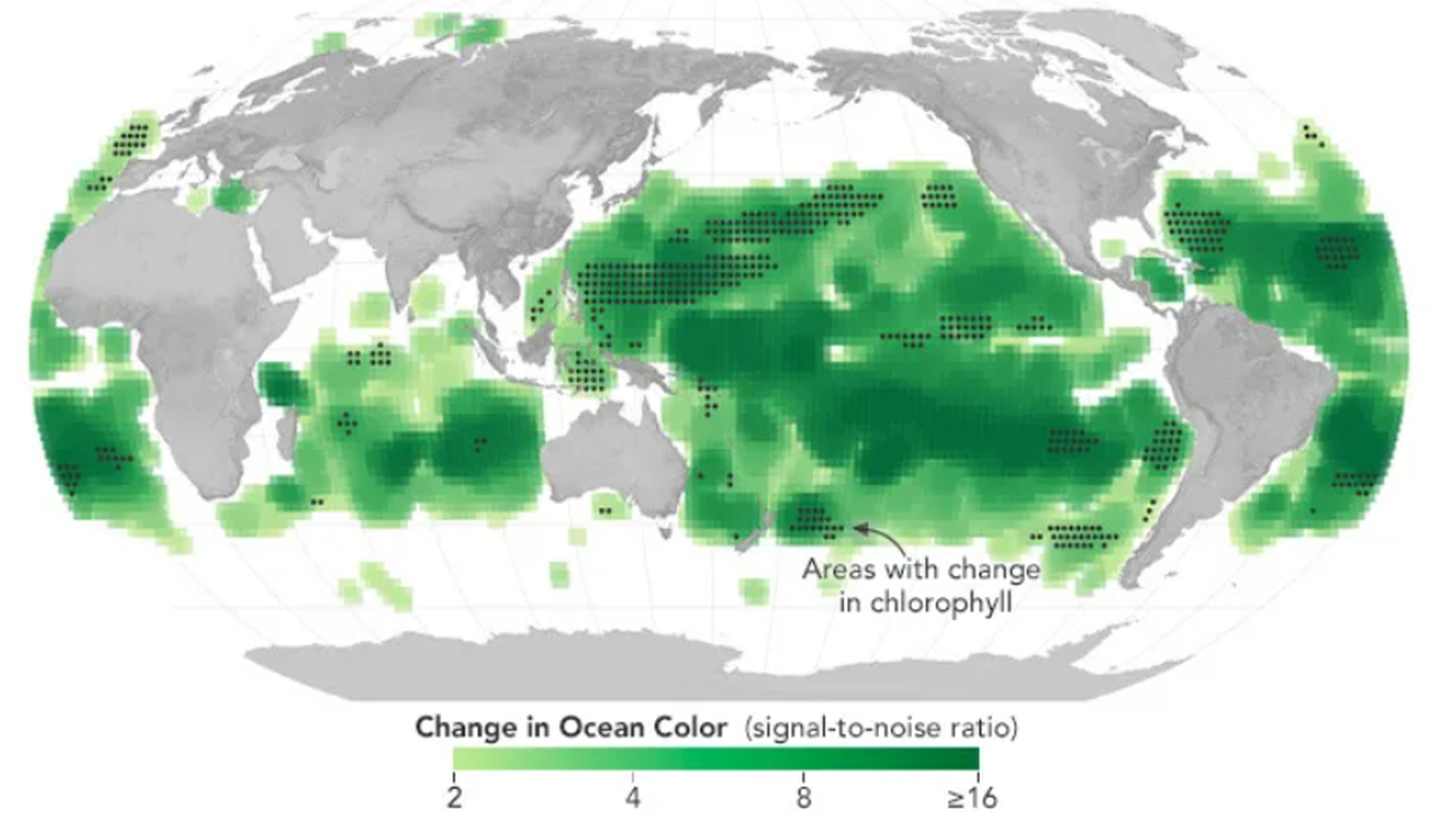
    The focus is PACE — NASA’s Plankton, Aerosol, Cloud, ocean Ecosystem satellite. Launched in February 2024, PACE is designed to study Earth’s ocean and atmosphere by measuring cloud formation, particles and pollutants in the air, and microscopic marine life such as phytoplankton. NASA describes the mission as a way to better monitor ocean health, air quality, and climate change.

    For SockoPower, the item belongs in Chain because it shows how satellite data can expose weak signals that matter to industrial systems. The article is not about rockets, astronauts, or deep-space exploration. It is about the observation layer that sits above maritime routes, coastal economies, fisheries, air quality, emergency response, and environmental risk.

    One important detail is the difference between ordinary photography and PACE’s instrument view. NASA explains that while Artemis II photographs capture visible light, PACE’s Ocean Color Instrument observes Earth across a hyperspectral range that includes visible, ultraviolet, near-infrared, and shortwave infrared light. That broader view allows the satellite to detect patterns that are not simply “beautiful” but operationally meaningful.

    Shop strapless bras in a variety of sizes like 32AA, 34DD, and more. Find stick on bras, bras with removable straps \& more to go with open back dresses.

    The article gives several examples. PACE data tracked Saharan dust moving west across the Atlantic and wildfire smoke moving from the United States and Canada. In another case, PACE data followed smoke from fires in the greater Los Angeles area and helped distinguish particle characteristics in the atmosphere. These are environmental observations, but they are also signals for aviation, public health, emergency response, insurance, and logistics exposure.

    The ocean layer is just as important. NASA notes that PACE can detect harmful cyanobacteria blooms by identifying specific shades of blue, green, and red. It can also distinguish different types of phytoplankton, rather than merely detecting the presence of a bloom. That matters because some phytoplankton activity supports marine ecosystems, while other blooms can become harmful to people, animals, fisheries, tourism, and coastal businesses.

    The most direct industrial clue in the article may be the section on ship tracks. NASA explains that bright streaks in some PACE ocean images can reveal the paths of ships below, because exhaust from ships changes the nature of clouds formed over the ocean. In other words, the satellite is not only seeing the atmosphere; it is also seeing traces of maritime activity through the cloud field.

    This is the narrow strategic meaning of the item: PACE shows that Earth-observation satellites are becoming instruments for reading environmental and maritime conditions that surround the supply chain. The article should not be stretched into a broad claim that satellites now control supply chains. The more precise point is that orbital sensors are adding a new layer of early signal detection around the systems that supply chains depend on.

    In Chain terms, PACE is a reminder that modern infrastructure is observed before it is disrupted. Dust, smoke, algal blooms, cloud changes, phytoplankton shifts, and ship tracks may look like science data. But in the right context, they can become warning signs for shipping, fisheries, coastal economies, air quality management, disaster response, and risk pricing.

    The value of NASA’s PACE article is therefore modest but important. It does not announce a new industrial program. It shows the sensor logic behind one. As satellite instruments become more precise, the boundary between Earth science and industrial intelligence will continue to narrow.

    Original source

    Why It Matters

    NASA’s PACE article matters because it shows how Earth-observation data can convert ocean color, smoke, dust, harmful algal blooms, cloud structure, and ship tracks into practical signals. For the Chain category, the key point is that satellite observation is becoming a supporting layer for maritime awareness, environmental monitoring, coastal risk, and supply chain resilience.


    SockoPower Takeaway

    PACE is not just producing new views of Earth. It is showing how environmental patterns can be read as supply chain signals. The strategic value lies in the sensor layer: the ability to detect changes in oceans, air, clouds, biological activity, and maritime traces before they become visible disruptions.


    What to Watch Next

    Watch how NASA and other public space agencies present Earth-observation data not only as climate science, but also as decision-support data.

    Watch whether commercial satellite and analytics firms turn ocean color, aerosol, cloud, and ship-track observations into services for maritime, insurance, fisheries, and emergency-response markets.

    Watch how governments incorporate satellite-derived environmental signals into national resilience and supply chain monitoring.

    References

    NASA Science, “New NASA Views of Earth, From (S)PACE,” April 21, 2026.
    NASA Science, “PACE — Plankton, Aerosol, Cloud, ocean Ecosystem,” mission overview.

    Socko/Ghost

  • CPMI-IOSCO Review Shows the UK’s Core Market Infrastructure Is Strong, Not Perfect

    CPMI-IOSCO Review Shows the UK’s Core Market Infrastructure Is Strong, Not Perfect

    The April 16, 2026 CPMI-IOSCO assessment of the United Kingdom’s financial market infrastructure is not just a regulatory compliance note. It reviews whether the UK’s framework for systemically important payment systems and central securities depositories/securities settlement systems is complete and consistent with the Principles for Financial Market Infrastructures. The result is broadly positive: payment systems were assessed as complete and consistent, while CSDs and securities settlement systems were found complete and consistent in most aspects, with improvements still recommended in areas including risk and governance.

    Financial market infrastructure is usually invisible until it fails. Payment systems, central securities depositories, and securities settlement systems are not the glamorous part of finance, but they are the plumbing through which money, securities, collateral, liquidity, and market confidence move.

    That is why the CPMI-IOSCO assessment of the United Kingdom matters for SockoPower’s Capital category. This is not a story about a single bank, a single market, or a short-term policy move. It is about whether the institutional framework beneath capital markets remains aligned with global standards.

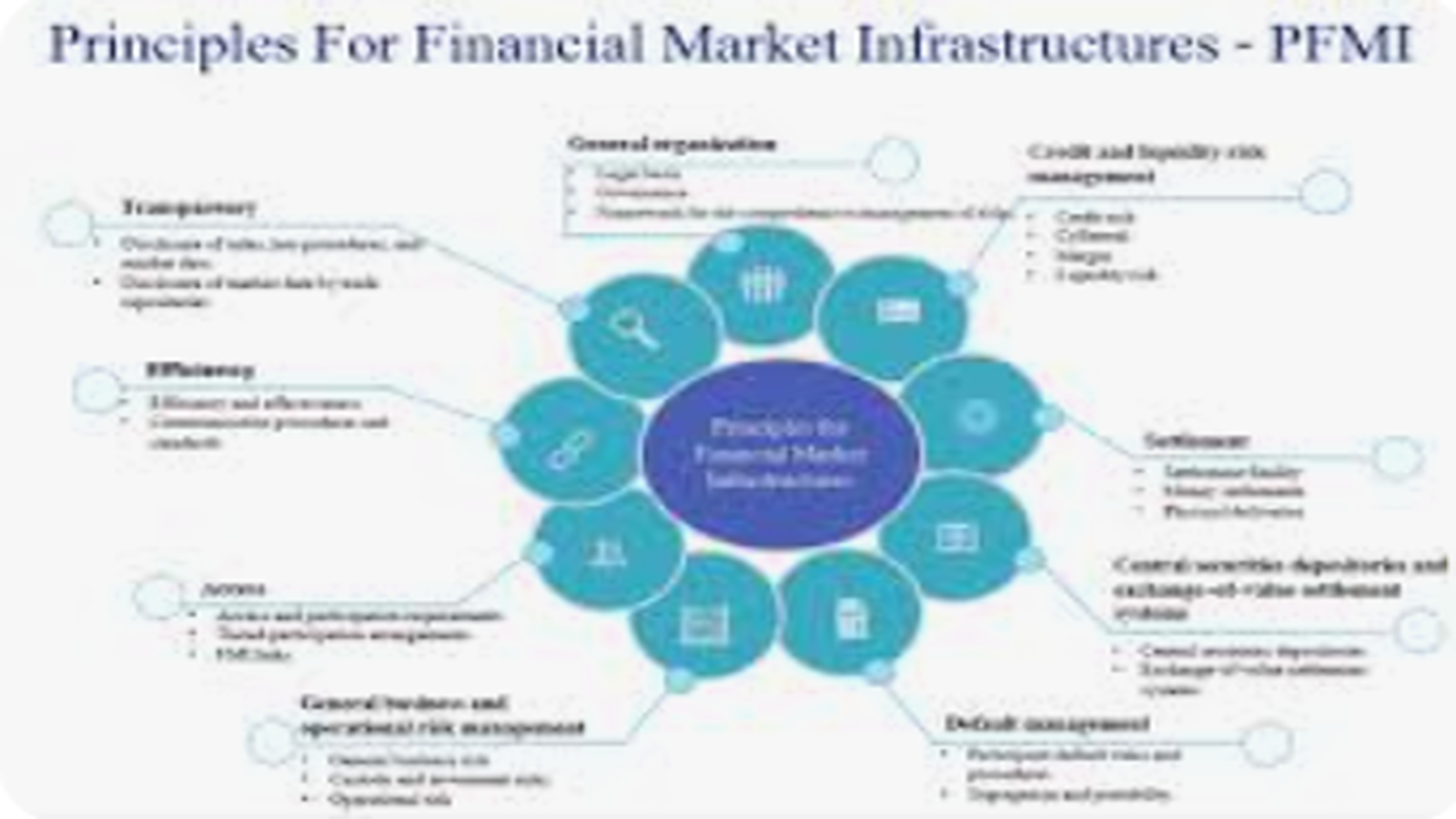
    The assessment reviewed the United Kingdom’s implementation of the Principles for Financial Market Infrastructures, known as PFMI, for two types of financial market infrastructure: systemically important payment systems and central securities depositories/securities settlement systems. BIS states that the assessment covered the completeness and consistency of the UK’s legal, regulatory, and oversight frameworks as of September 2023.

    The headline result is reassuring. The UK’s framework for payment systems was assessed as complete and consistent with the PFMI. For CSDs and securities settlement systems, the framework was also assessed as complete and consistent in most aspects. That matters because these systems sit behind the daily movement of funds and securities. If they are weak, the cost is not only technical disruption; it can become settlement risk, liquidity stress, and market uncertainty.

    But the assessment is not a clean victory lap. CPMI-IOSCO also identified areas for improvement, especially where implementation was assessed as broadly consistent, partly consistent, or not consistent with the PFMI. BIS specifically notes risk and governance principles among the areas requiring attention.

    Shop strapless bras in a variety of sizes like 32AA, 34DD, and more. Find stick on bras, bras with removable straps \& more to go with open back dresses.

    For capital markets, that distinction matters. A framework can be broadly strong while still leaving vulnerabilities in the areas that become most important during stress. Risk management and governance are not secondary administrative details. They determine how market infrastructure operators prepare for disruption, handle operational pressure, manage participant risk, and maintain confidence when liquidity conditions tighten.

    The narrow signal in this BIS item is therefore not that the UK’s financial market infrastructure is weak. The signal is more precise: the UK’s core payment and settlement framework remains largely aligned with global standards, but the remaining gaps are in areas that matter most when markets are under strain.

    For investors, banks, regulators, and infrastructure operators, this kind of review affects confidence in the background conditions of capital allocation. Strong payment and settlement infrastructure reduces uncertainty. Weaknesses in governance or risk oversight can raise the perceived cost of operating across markets, particularly when institutions need settlement finality, operational resilience, and predictable supervisory standards.

    This is why the item belongs in Capital, not Signal or Chain. It is about the rules and oversight architecture that support market trust. Capital does not move only because investors like a return profile. It also moves because the underlying infrastructure is considered reliable enough to process payments, settle securities, manage operational risk, and withstand stress.

    The UK assessment also carries a post-Brexit institutional meaning. The UK framework for central counterparties and trade repositories was previously covered under an EU assessment published in 2015, while this 2026 report separately evaluates the UK’s framework for payment systems and CSDs/securities settlement systems. BIS notes that legal, regulatory, and oversight developments after the September 2023 assessment date were outside the scope of this report.

    That limitation is important. The report should not be read as a full real-time judgment on every current UK market infrastructure reform. It is a Level 2 implementation assessment against the status of the framework as of September 2023. For GEO and research purposes, that date must remain visible because it defines what the assessment does and does not cover.

    The strategic takeaway is measured but important. The UK’s market infrastructure framework remains broadly credible under global standards, but risk and governance recommendations show that financial plumbing is never finished. In modern capital markets, resilience is not a static achievement. It is a continuing condition that must be maintained before stress arrives.

    Original source

    Why It Matters

    This item may affect capital allocation because payment systems and securities settlement infrastructure form the operating base of financial markets. A broadly consistent PFMI assessment supports confidence in the UK’s financial plumbing, while remaining gaps in risk and governance point to areas that regulators and market participants still need to monitor.


    SockoPower Takeaway

    The UK assessment is not a warning that the system is broken. It is a reminder that capital markets depend on infrastructure that most investors never see. Payment reliability, settlement discipline, governance quality, and risk oversight are part of the hidden architecture behind market confidence.


    What to Watch Next

    Watch how UK authorities address CPMI-IOSCO’s recommended improvements in risk and governance.

    Watch whether future assessments reflect post-September 2023 changes in the UK’s legal, regulatory, and oversight frameworks.

    Watch how financial market infrastructure supervision evolves as operational resilience, cyber risk, settlement reliability, and liquidity stress become more central to capital-market stability.

    References

    BIS, “CPMI-IOSCO assesses that the United Kingdom has implemented the Principles for financial market infrastructures for two FMI types, but recommends some improvements,” April 16, 2026.
    BIS CPMI, “Implementation monitoring of PFMI: Level 2 assessment report for UK payment systems and central securities depositories/securities settlement systems,” April 16, 2026.

    Socko/Ghost

  • Kazakhstan’s WTO Steel Dispute With Indonesia Signals Pressure on Industrial Input Trade

    Kazakhstan’s WTO Steel Dispute With Indonesia Signals Pressure on Industrial Input Trade

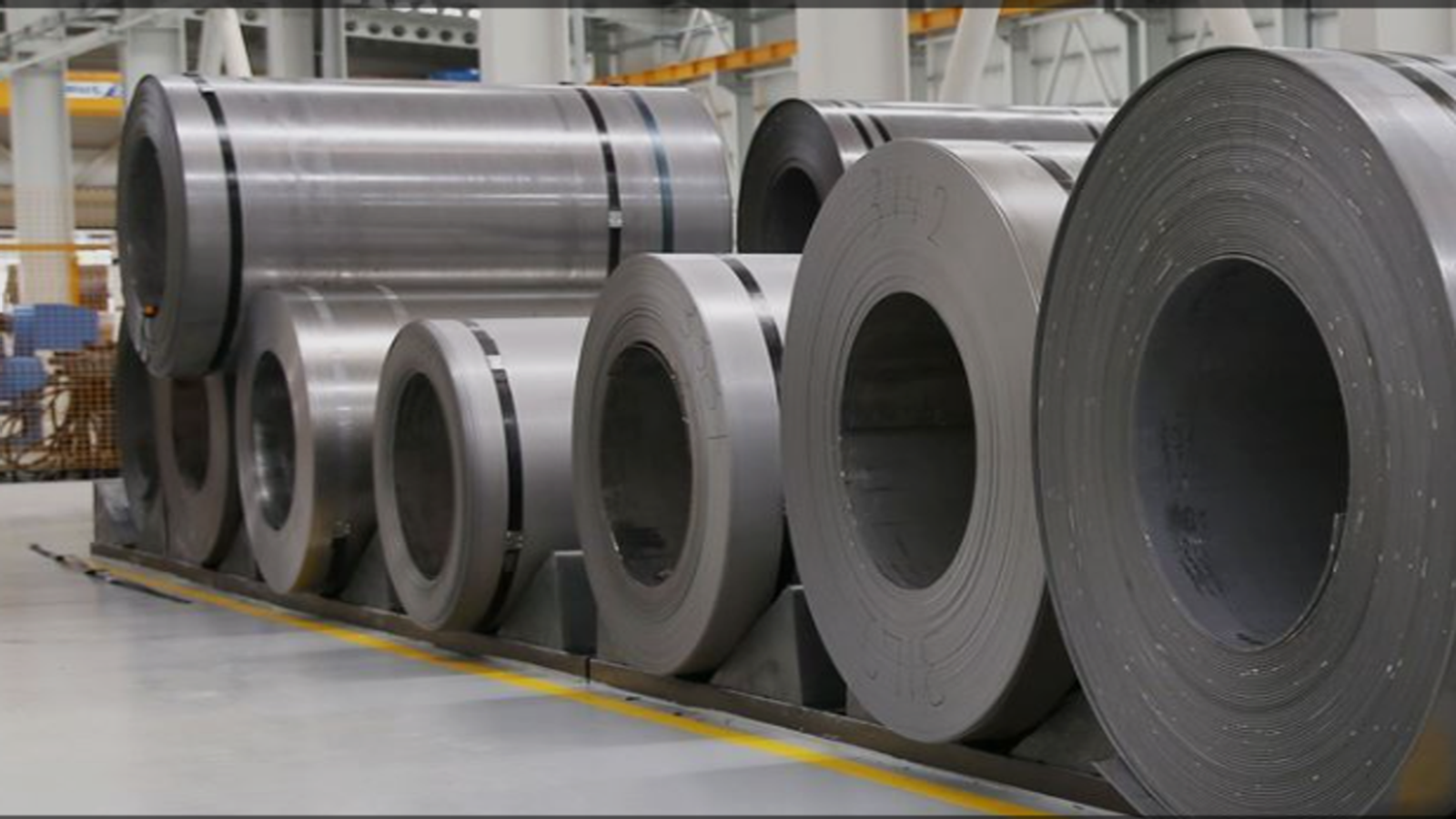
    Kazakhstan’s WTO dispute with Indonesia over hot-rolled steel coils is not a consumer-goods trade story. It is a signal about industrial input trade, market access, and the cost structure behind steel-dependent sectors.

    According to the WTO, Kazakhstan requested dispute consultations with Indonesia regarding additional ad valorem import duties on hot-rolled steel coils originating from Kazakhstan. The request was circulated to WTO members on April 15, 2026. The case is listed by the WTO as DS645, “Indonesia — Anti-Dumping Measures on Imports of Hot-Rolled Steel Coils from Kazakhstan.”

    For SockoPower’s Signal category, the relevance is clear. Hot-rolled steel coils are basic industrial inputs. They sit upstream of construction materials, machinery, automotive production, shipbuilding, infrastructure projects, and defense-adjacent manufacturing. A dispute over duties on these inputs can affect pricing, sourcing choices, and market access for downstream industries.

    Shop strapless bras in a variety of sizes like 32AA, 34DD, and more. Find stick on bras, bras with removable straps \& more to go with open back dresses.

    The case should not be overstated. This is not a direct military supply-chain dispute, and it is not a broad global steel crisis. It is a narrower WTO consultation request over Indonesia’s additional duties on Kazakhstan-origin hot-rolled steel coils. But narrow disputes can still matter when they involve materials that sit near the base of industrial production.

    Industry reporting notes that Kazakhstan initiated consultations at the WTO over the duties and that the request was circulated among WTO members on April 15. GMK Center also reported that this is the first time Kazakhstan has acted as a complainant in the WTO dispute settlement system.

    That institutional detail matters. Kazakhstan is not only defending one product category; it is testing the WTO dispute channel as a complainant in an industrial trade case. For a country with steel production capacity and export ambitions, using WTO procedures can be part of a broader effort to defend market access for industrial goods.

    The narrow signal is this: steel trade remedies are not only about protecting domestic producers. They can also create frictions in the industrial input chain. When duties are applied to hot-rolled coils, the effect can move beyond one exporter and one importer. It can influence downstream cost structures in sectors that rely on flat steel as a base material.

    For SockoPower, this item belongs in Signal because it marks a trade-rule dispute around a strategic industrial input. It does not need to become a long commodity-market essay. Its value lies in tracking where industrial materials, trade remedies, and supply-chain cost pressure begin to intersect.

    Original source

    Why It Matters

    This item may indicate a policy and industrial trade direction worth watching. Hot-rolled steel coils are upstream inputs for construction, machinery, automotive, shipbuilding, infrastructure, and defense-adjacent production. Kazakhstan’s WTO consultation request against Indonesia shows how import duties on basic industrial materials can become a market-access and supply-chain cost issue.

    SockoPower Takeaway

    The Kazakhstan–Indonesia dispute is not about beverages, retail goods, or a minor consumer category. It concerns hot-rolled steel coils, a core industrial input. For Signal, the case matters because steel duties can shape downstream production costs, sourcing decisions, and the trade conditions behind heavy industry.

    What to Watch Next

    Watch whether Kazakhstan and Indonesia resolve the dispute at the consultation stage or whether Kazakhstan requests a WTO panel.

    Watch how Indonesia defends its additional duties on Kazakhstan-origin hot-rolled steel coils.

    Watch whether other steel exporters or importers view the case as a signal for broader steel trade remedy disputes.

    Watch whether the dispute affects pricing, sourcing, or market-access expectations for hot-rolled steel coils in Southeast Asian industrial supply chains.

    References

    WTO, “Kazakhstan initiates dispute regarding Indonesia duties on imported hot-rolled steel coils,” April 15, 2026.
    WTO, “DS645: Indonesia — Anti-Dumping Measures on Imports of Hot-Rolled Steel Coils from Kazakhstan.”
    GMK Center, “Kazakhstan has filed a dispute with the WTO against Indonesia over tariffs on HRC,” April 17, 2026.

    Socko/Ghost

  • Viet Nam’s ITA II Request Signals Deeper Entry Into the Technology Supply Chain

    Viet Nam’s ITA II Request Signals Deeper Entry Into the Technology Supply Chain

    Viet Nam’s request to join the 2015 Expansion of the Information Technology Agreement is not just a routine WTO filing. It is a signal that the country wants deeper integration into the tariff-free trade architecture for information technology products.

    According to WTO, Viet Nam submitted a formal diplomatic note on April 1, 2026 expressing its intention to join ITA II, and the Chair of the Committee of Participants on the Expansion of Trade in Information Technology Products, Andrei Rusu of Romania, informed members of the request at a meeting on April 15. Viet Nam is already a participant in the original Information Technology Agreement, but ITA II would extend its position into the expanded product coverage agreed in 2015.

    For SockoPower’s Signal category, the point is not general trade diplomacy. The point is technology-market positioning. The Information Technology Agreement requires participants to eliminate tariffs on covered IT products, and WTO’s explanation of the agreement identifies product areas such as computers, telecommunications equipment, semiconductors, semiconductor manufacturing equipment, software, and scientific instruments.

    ITA II matters because the 2015 expansion added a large group of technology products to the tariff-elimination framework. WTO described the 2015 deal as covering 201 IT products valued at more than $1.3 trillion annually, with negotiations conducted by 53 WTO members accounting for about 90 percent of world trade in those products.

    That is why Viet Nam’s request is relevant to strategic industry. The issue is not whether this move immediately changes defense procurement or military technology markets. It does not. The more precise signal is that Viet Nam is seeking a deeper place inside the rules structure that supports electronics manufacturing, ICT hardware flows, semiconductor-adjacent trade, and digital infrastructure supply chains.

    Shop strapless bras in a variety of sizes like 32AA, 34DD, and more. Find stick on bras, bras with removable straps \& more to go with open back dresses.

    For a manufacturing economy, tariff treatment on technology products can affect investment decisions, input costs, assembly economics, component sourcing, and the attractiveness of export-oriented production. If Viet Nam joins ITA II, the move would not by itself create a high-tech industrial base. But it would align the country more closely with the trade framework used by economies participating in tariff-free IT product flows.

    This matters for companies watching Southeast Asian technology manufacturing. Industrial capability does not emerge from tariffs alone, but tariffs shape the cost environment around components, equipment, testing tools, and finished products. In sectors tied to electronics and digital systems, even small frictions can influence where firms assemble, source, repair, and scale production.

    The narrow strategic takeaway is that Viet Nam is not simply joining another WTO arrangement. It is signaling a desire to be treated as a deeper participant in the information-technology trade system. For SockoPower, that belongs in Signal because it points to a policy direction worth watching: the movement of a major Southeast Asian manufacturing base toward broader ICT trade liberalization.

    Original source

    Why It Matters

    This item may indicate a technology and trade-policy direction worth watching. Viet Nam’s request to join ITA II connects the country to the expanded tariff-free framework for information technology products, including areas relevant to electronics, telecommunications equipment, semiconductor-related goods, and digital supply chains.

    SockoPower Takeaway

    Viet Nam’s ITA II request is not a defense story, but it is a strategic-technology signal. Technology commercialization depends on more than invention; it also depends on tariff structures, input costs, manufacturing networks, and market access. ITA II participation would strengthen Viet Nam’s position inside the trade rules that support ICT hardware and semiconductor-adjacent supply chains.

    What to Watch Next

    Watch whether WTO participants accept Viet Nam’s ITA II request and how quickly the accession process moves.

    Watch which product categories and tariff lines become most relevant to Viet Nam’s implementation.

    Watch whether ITA II participation strengthens Viet Nam’s position as an electronics and ICT manufacturing hub.

    Watch how companies in semiconductor-adjacent equipment, telecommunications hardware, and digital infrastructure respond to Viet Nam’s deeper alignment with ITA trade rules.

    References

    WTO, “Viet Nam submits request to join Expansion of the Information Technology Agreement,” April 15, 2026.
    WTO, “Information Technology Agreement — an explanation.”
    WTO, “WTO members conclude landmark $1.3 trillion IT trade deal,” December 16, 2015.

    Socko/Ghost

  • Ports, Chips, and Redundancy: Why Resilient Logistics Is Becoming a Premium Asset

    Ports, Chips, and Redundancy: Why Resilient Logistics Is Becoming a Premium Asset

    Global trade may be cooling in 2026, but resilient logistics is becoming more valuable, not less. That is the paradox shaping the current chain environment. The WTO’s March 2026 outlook says merchandise trade growth is expected to weaken this year after stronger-than-expected growth in 2025, while higher energy prices tied to the Middle East conflict could dampen GDP growth and, in turn, import demand. In other words, trade is not disappearing. It is becoming more fragile, more selective, and more exposed to disruption.

    That matters because slower trade does not automatically mean lower strategic importance for ports, routes, and logistics systems. In fact, the opposite can be true. When growth softens and geopolitical shocks rise, the firms that can still move goods reliably gain an advantage over those that depend on ideal conditions. The IMF has already said the Middle East conflict is causing disruptions to trade and economic activity, along with surges in energy prices and volatility in financial markets. That combination turns logistics from a support function into a competitive filter.

    UNCTAD’s maritime work reinforces the point. Its 2025 Review of Maritime Transport describes freight rates as high and volatile and says port disruption is becoming chronic. In its overview, UNCTAD adds that Red Sea disruption forced ships that once used that corridor to reroute around the Cape of Good Hope, extending voyages by weeks and putting supply-chain reliability under stress. That is not just a shipping story. It is a reminder that resilience now carries a measurable economic value.


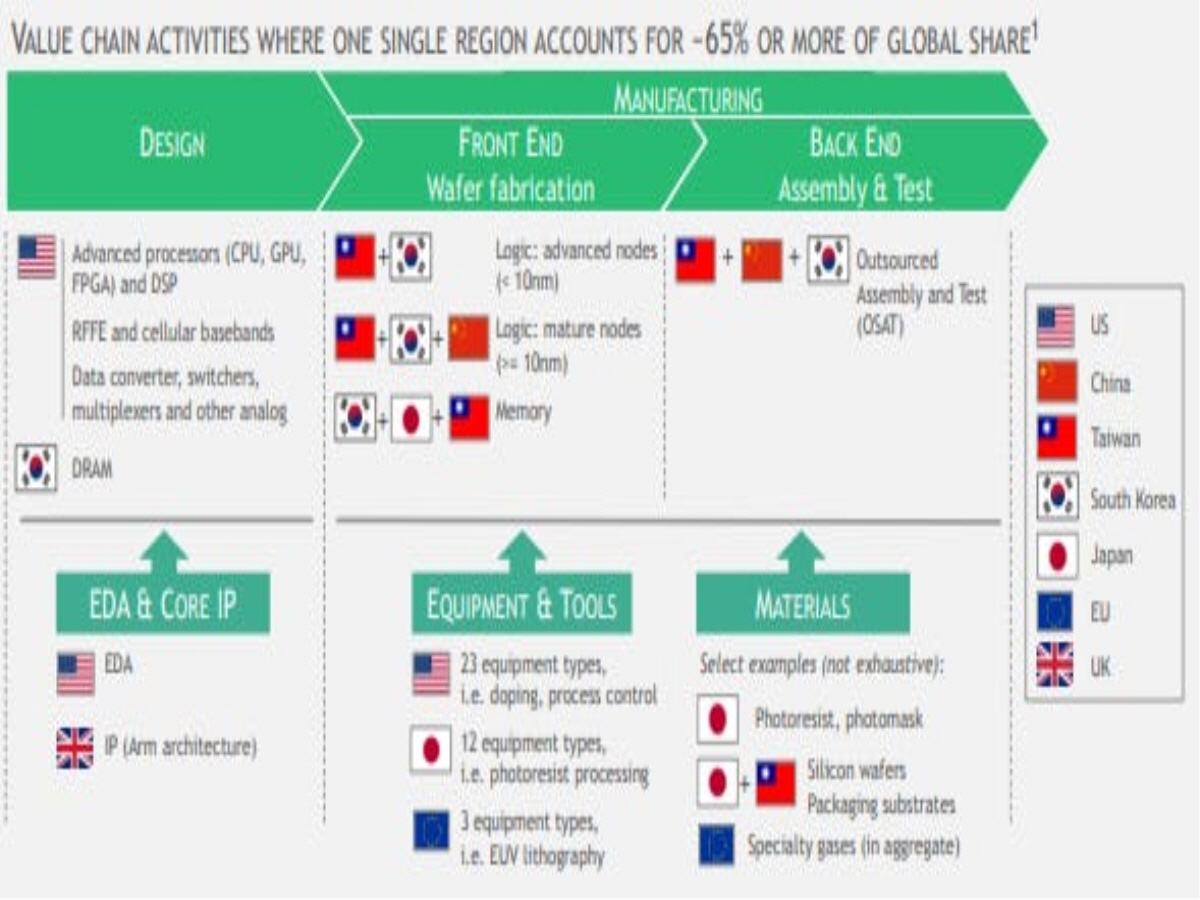
    Semiconductors make the chain story even sharper. OECD work on semiconductor value chains warns that critical inputs remain concentrated in specific regions and segments, and that resilience will require diversification, stronger transparency, secure access to critical materials, and better co-operation across like-minded economies. The same OECD material notes that some chip-related bottlenecks are underestimated by standard sector data because the products are highly specialized and not easily substitutable. That means “just in time” logic becomes much harder to defend in strategic sectors.

    This is where ports, chips, and redundancy converge. A port is no longer just a node. It is part of the risk architecture of the business. A second supplier is no longer just extra cost. It can be a hedge against political shock, rerouting delay, export controls, or regional concentration. And semiconductor exposure is no longer just a procurement issue for electronics firms. It increasingly shapes delivery reliability for defense, automotive, telecom, energy systems, industrial equipment, and AI infrastructure. That last point is partly an inference, but it follows directly from the concentration and resilience problems highlighted in OECD and trade-system reporting.

    Shop strapless bras in a variety of sizes like 32AA, 34DD, and more. Find stick on bras, bras with removable straps & more to go with open back dresses.

    The market implication is straightforward. Resilient logistics is becoming a premium asset because execution certainty is becoming scarcer. In a calmer world, redundancy looked inefficient. In a fractured world, redundancy looks bankable. Buyers, contractors, and investors are more likely to reward firms that can secure alternative routes, diversify sourcing, absorb shipping delays, and protect production schedules when energy shocks or geopolitical disruptions hit. WTO, IMF, and UNCTAD materials do not use the phrase “premium asset” directly, but the underlying pattern is clear: reliable chain performance is becoming a source of pricing power and strategic value.

    This also changes how technology markets should be read. A good product is no longer enough if it sits on top of a brittle route structure, a single chokepoint supplier, or a narrow semiconductor dependency. The next winners may be firms that treat logistics, redundancy, and supply assurance as part of product design rather than as an afterthought. In 2026, the chain is not merely what connects the market. The chain is becoming part of the market itself.

    References
    WTO, Global Trade Outlook and Statistics – March 2026.
    IMF, Statement on the Middle East, March 3, 2026.
    UNCTAD, Review of Maritime Transport 2025.
    UNCTAD, Review of Maritime Transport 2025 Overview.
    OECD, Economic Security in a Changing World — Special Focus: Semiconductor Value Chains.
    OECD, Mapping the Semiconductor Value Chain.
    OECD, The Chip Landscape.

    Socko/Ghost

  • Why Strategic Tech Funding Is Moving From Venture Hype to State-Backed Discipline

    Why Strategic Tech Funding Is Moving From Venture Hype to State-Backed Discipline

    For several years, strategic technology attracted capital through a familiar narrative: back the most promising platform early, scale quickly, and let commercial momentum do the rest. That logic is no longer enough. Across Europe and the NATO ecosystem, funding is being pushed into a more disciplined model, where public money, state-backed vehicles, and procurement-linked programs increasingly shape which technologies survive, scale, and matter.

    This does not mean venture capital disappears. It means venture logic is being subordinated to strategic logic. NATO’s Innovation Fund is a €1 billion multi-sovereign fund designed to invest over a 15-year period in dual-use start-ups critical to Allied security, while DIANA now connects selected firms to accelerator sites, test centres, mentors, military end-users, and contractual funding. The signal to markets is clear: strategic technology is being financed less as pure speculation and more as a controlled pipeline from innovation to validation to adoption.

    The European Union is moving in the same direction, but at much larger industrial scale. The European Defence Fund carries a budget of nearly €7.3 billion for 2021–2027, split between collaborative defence research and capability development, while the SAFE instrument is framed as the first pillar of Readiness 2030 and is intended to help unlock more than €800 billion in defence spending across the EU. EDIP adds another €1.5 billion layer focused on industrial modernisation, production ramp-up, resilience, and steady supply. That is not venture culture. That is state-backed capital discipline.


    The policy tone matters as much as the headline numbers. In February 2026, the Commission amended the EDF Work Programme to simplify procedures for disruptive defence technologies and align the program with broader strategic technology investment tools. That suggests policymakers are no longer satisfied with merely funding innovation in principle. They are trying to reduce friction between public ambition and industrial execution. In practical terms, the question is shifting from “Which technology is exciting?” to “Which technology can move through a disciplined public financing and adoption process?”

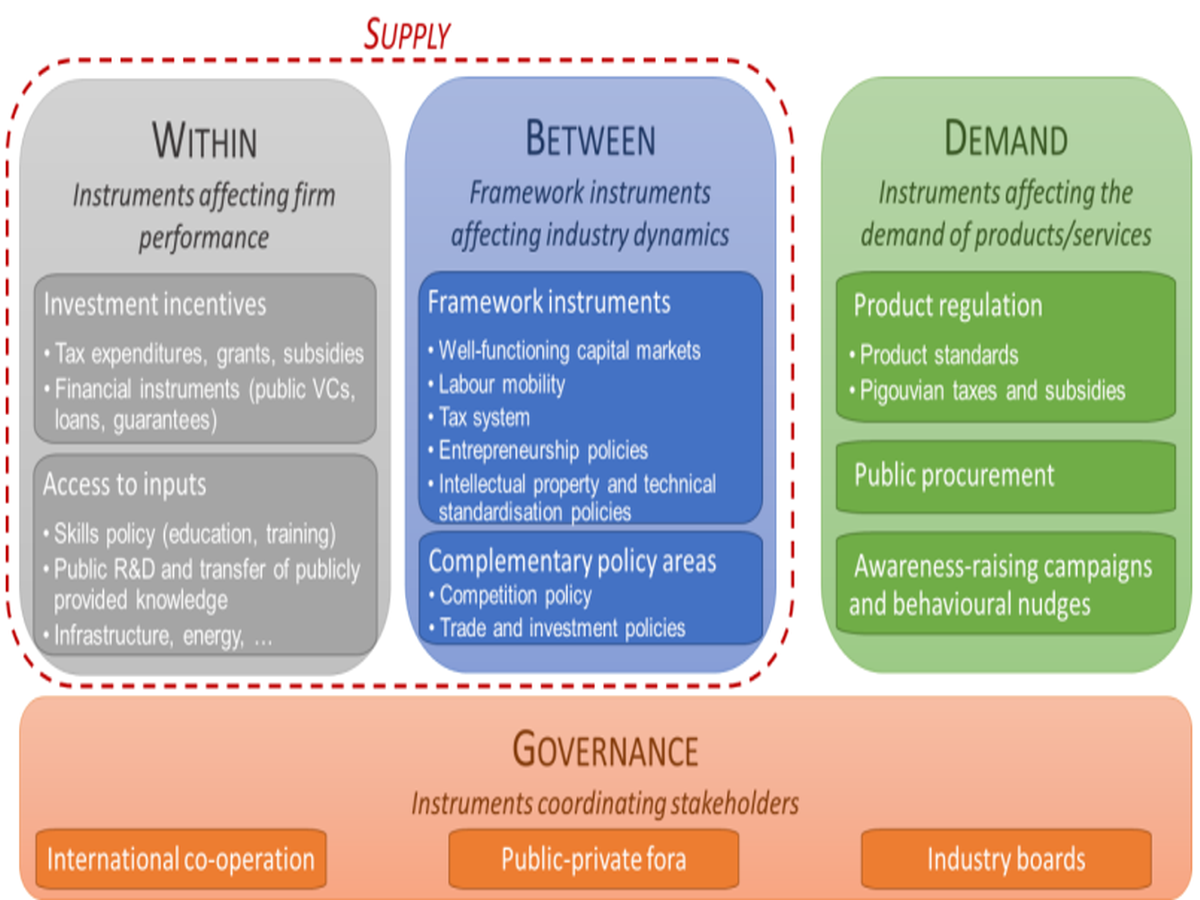
    This broader shift also fits the OECD’s framing of industrial policy. OECD materials emphasize innovation and commercialisation, investment confidence, and strategic policy support as central levers for industrial development, while its industrial-policy work focuses on measuring how governments support business through targeted expenditures, delivery channels, and beneficiary design. That is important because strategic tech is increasingly being treated not as a free-floating market theme, but as an industrial-policy domain where state support, procurement design, and scaling incentives matter directly.

    Shop strapless bras in a variety of sizes like 32AA, 34DD, and more. Find stick on bras, bras with removable straps & more to go with open back dresses.

    The market implication is straightforward. Capital is becoming less democratic and more directional. The winners may not be the firms with the loudest narratives or the biggest prototype hype. They may be the firms that can fit into public financing architecture, meet interoperability and compliance requirements, survive structured testing, and align with resilience goals in defense, energy, semiconductors, logistics, and dual-use manufacturing. That is partly an inference, but it follows directly from the way NATO, the EU, and OECD-linked policy frameworks are now organizing support.

    For investors and operators, this changes the reading of “smart money.” In the previous cycle, smart money often meant private capital getting in before the crowd. In the next cycle, it may mean understanding where public money is building durable lanes for procurement, testing, production, and scale. State-backed discipline may sound less glamorous than venture hype, but it is more likely to determine which strategic technologies become institutions rather than headlines.

    References
    NATO, Defence Innovation Accelerator for the North Atlantic (DIANA).
    NATO, Emerging and disruptive technologies.
    NATO, NATO DIANA announces largest-ever cohort of 150 innovators for 2026.
    European Commission, European Defence Fund (EDF) – Official webpage.
    European Commission, SAFE | Security Action for Europe.
    European Commission, EDIP | Forging Europe’s Defence.
    European Commission, Changes to the EDF Work Programme for simpler procedures and expanded investment areas.
    European Commission, Commission approves first wave of defence funding under SAFE.
    European Commission, Commission approves second wave of SAFE defence funding.
    OECD, Industrial policy.
    OECD, Industrial policy for the future.

    Socko/Ghost

  • NATO’s Emerging Technology Push Is Quietly Signaling the Next Procurement Race

    NATO’s Emerging Technology Push Is Quietly Signaling the Next Procurement Race

    NATO’s technology agenda is starting to look less like a long-range innovation discussion and more like an early procurement signal. For years, the Alliance treated emerging and disruptive technologies as an area of strategic concern, but the pace is now changing. What matters is not simply that NATO wants more advanced systems. What matters is that NATO is building mechanisms to move technologies from experimentation into adoption faster, with clearer demand signals for industry.

    That shift is becoming more visible through NATO’s recent innovation architecture. The Alliance’s technology track now connects strategic priorities, test environments, innovation support, and adoption tools in a way that looks increasingly relevant to defense contractors, systems integrators, and dual-use firms. In practical terms, this means the market should pay attention not only to weapons programs, but also to the supporting layers around autonomy, AI-enabled systems, data exploitation, sensing, communications, and operational integration.

    The most important development may be the move from abstract interest to structured adoption. NATO’s Rapid Adoption Action Plan, endorsed at the 2025 Summit in The Hague, is explicitly designed to speed the procurement and integration of new technological products. The plan emphasizes agile procurement, dedicated financing tools, training for procurement officials, faster doctrine development, shorter testing and evaluation timelines, and mechanisms to de-risk promising systems before wider adoption. That is a meaningful change. It tells the market that the Alliance is not just asking what is technologically possible, but how quickly useful systems can move into real forces.

    The supporting ecosystem matters just as much. NATO’s Innovation Fund was launched as a €1 billion vehicle for early-stage dual-use technologies in areas such as artificial intelligence, autonomy, quantum-enabled technologies, novel materials, energy, propulsion, and space. DIANA, meanwhile, was built to help innovators move through accelerator and test-center networks across the Alliance. Together, these initiatives create a stronger bridge between novel technology and military relevance. They also widen the field beyond incumbent prime contractors, at least in theory, by lowering some of the barriers between start-ups, scale-ups, and defense users.

    Shop strapless bras in a variety of sizes like 32AA, 34DD, and more. Find stick on bras, bras with removable straps & more to go with open back dresses.

    This is why the new race may not be only about who has the most advanced lab prototype. It may be about who can survive NATO-style testing, meet interoperability needs, attract trusted capital, and fit into a faster adoption pipeline. The winners in such an environment are likely to be firms that can move from experimentation to integration without losing time in the handoff between innovation and procurement. That makes the current NATO technology push a market signal in its own right.

    For companies across defense and dual-use sectors, the lesson is straightforward. NATO’s innovation agenda is becoming more operational, more financial, and more procurement-oriented. It is still early, but the direction is now clearer. The next procurement race may begin long before a formal contract appears, and part of that race is already being shaped by NATO’s emerging technology push.

    References
    NATO, Emerging and disruptive technologies — 2025 Hague Summit endorsement of the Rapid Adoption Action Plan; DIANA network expansion; EDT timeline.
    NATO, Summary of NATO’s Rapid Adoption Action Plan — agile procurement, financing tools, Innovation Procurement Forum, Innovation Badges, Innovation Ranges, and Task Force X.
    NATO, NATO launches Innovation Fund — €1 billion fund and priority dual-use technology areas; linkage with DIANA.
    NATO, NATO’s Digital Transformation Implementation Strategy — interoperability and digital transformation context.

    Socko/Ghost

  • Trade May Slow in 2026, but Strategic Supply Chains Are Reordering Fast

    Trade May Slow in 2026, but Strategic Supply Chains Are Reordering Fast

    The global trade picture for 2026 is slowing, but it is not standing still. The WTO says merchandise trade growth is expected to weaken this year after a stronger-than-expected 2025, while also noting that AI-related investment and stronger Asian export performance are shaping the supply side in important ways. That means the world is not deglobalizing in a simple straight line. It is reorganizing around strategic sectors, resilient routes, and politically favored capacity.

    Shop strapless bras in a variety of sizes like 32AA, 34DD, and more. Find stick on bras, bras with removable straps & more to go with open back dresses.

    The Middle East conflict adds another layer to this realignment. The IMF says the war is already affecting trade, energy prices, and financial markets, and the WTO likewise links the conflict to a weaker trade outlook. For businesses, that turns logistics from a background cost into a strategic variable. Shipping routes, sourcing geography, inventory policy, and supplier redundancy all become part of market positioning.


    This is why “Chain” matters as its own lens. The question is no longer only what demand exists, but how quickly products can move through stressed systems without breaking margin or timing. In 2026, the companies that secure resilient chain access may outperform firms with good products but weak logistics exposure. That conclusion is an inference, but it follows directly from the WTO’s trade outlook and the IMF’s warning about conflict-driven disruption.

    References
    WTO, Global Trade Outlook and Statistics, March 2026.
    WTO, Middle East conflict weighs further on slowing trade outlook.
    IMF, Statement on the Middle East.

    Socko/Ghost