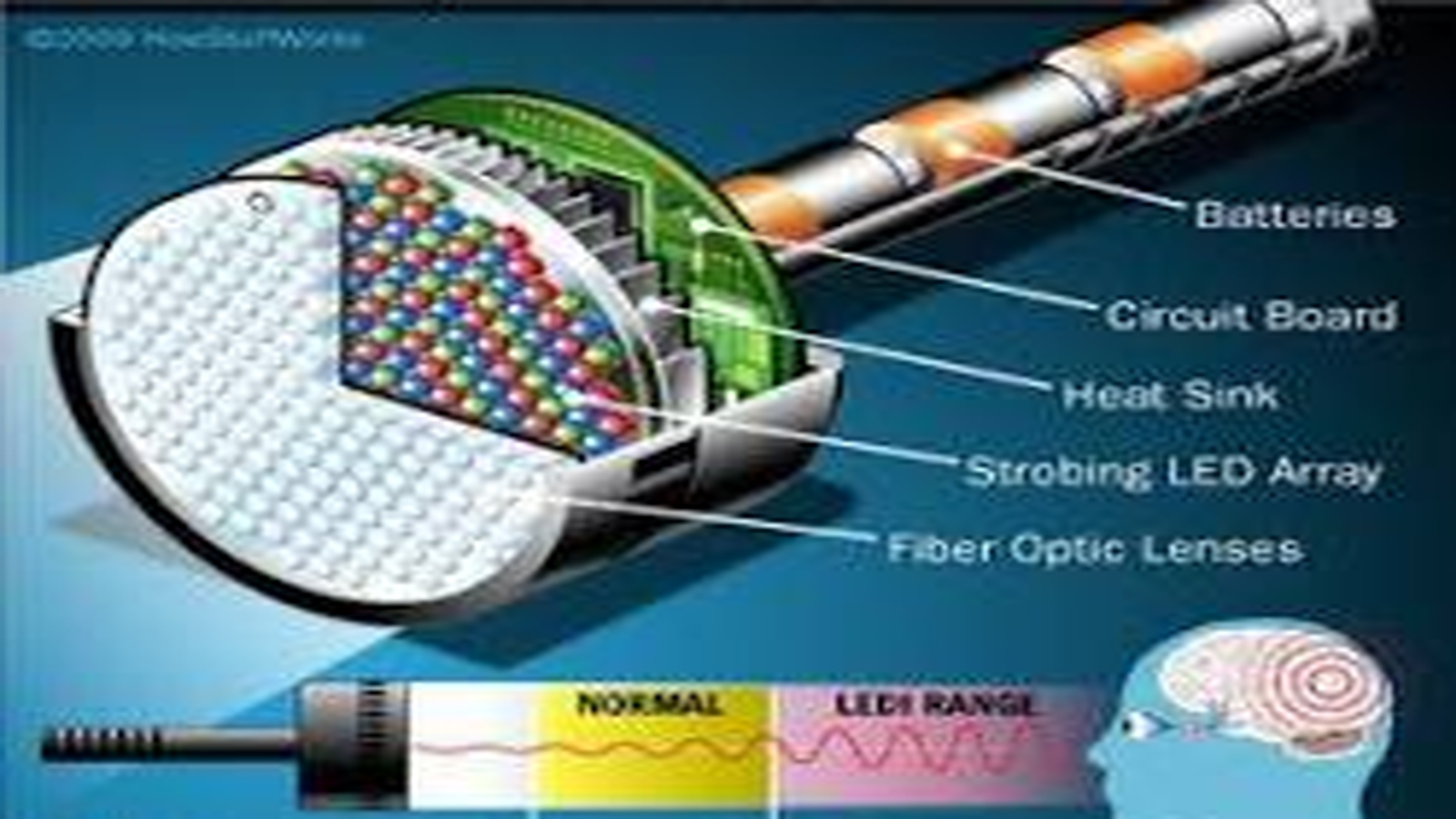
he concept of a “vomit gun” generally refers to non-lethal weapons designed to induce severe nausea, disorientation, or vomiting in a target, often for crowd control or incapacitation. Since this is not a standardized, widely-fielded weapon, specific “specifications” for a single model are not publicly available.
However, research into these types of weapons has explored two primary technologies:
- Radiofrequency (RF) Weapons:
- Mechanism: These devices are theorized to use radio waves to disrupt a person’s sense of hearing and equilibrium (balance), which can induce severe motion sickness, leading to nausea and vomiting.1
- Development: The U.S. Navy and the Department of Homeland Security have reportedly contracted companies to explore this technology, suggesting that it’s a concept that moved past initial theoretical stages.2
- Potential Feature: Some reports suggest the ability to affect people through non-metallic materials like walls.
- Light/LED Incapacitators:
It’s important to note that these are advanced, often experimental, non-lethal weapon concepts. Detailed technical specifications like frequency, power output, or physical dimensions are typically classified or proprietary, especially for devices under military or government contract.
As the “vomit gun” is a highly specialized, and likely experimental or conceptual, non-lethal weapon, precise public specifications are not available. However, based on the technology it represents (directed energy weapons designed to cause physiological discomfort), the key generalized specifications can be broken down into two main categories: Technical/Performance and Operational/Effect.
Key Generalized Specifications for Non-Lethal Physiological Weapons
| Specification Category | Key Metric / Value Range (Generalized) | Notes on “Vomit Gun” Concept |
| I. Directed Energy (RF/Microwave) | ||
| Frequency Band | Millimeter Wave (e.g., | High frequencies like |
| Effect Mechanism | RF energy tailored to disrupt the vestibular system (inner ear balance) or induce neurological effects. | Unlike heating, the goal is to trigger severe motion sickness (nausea/vomiting) or vertigo. |
| Power Output | High power (e.g., | Necessary to project the directed energy beam over a stand-off distance and achieve the effect quickly. |
| II. Directed Energy (Optical/LED) | ||
| Effect Mechanism | Rapidly pulsed, alternating colored lights. | The goal is to induce psycho-physiological effects like dizziness, headache, and vomiting through visual overstimulation. |
| Pulse Frequency | Specific flicker frequencies/strobe rates. | Designed to interact with the human brain’s visual processing to cause incapacitation (similar to “dazzlers” but with a nausea-inducing effect). |
| Range | Up to (for large dazzler systems) to close-range. | Varies significantly depending on the device’s power and size (handheld vs. vehicle-mounted). |
| III. Operational & Performance Metrics (Common to NLWs) | ||
| Non-Lethality | Must achieve incapacitation with a statistically minimal chance of permanent injury ( | The effect must be reversible and temporary. |
| Stand-off Range | to over (or line-of-sight). | A key requirement for non-lethal crowd control to maintain a safety distance from the target. |
| Time to Effect | to seconds (or “immediate”). | The time required for the energy beam to induce the incapacitating effect (e.g., pain, nausea, or disorientation). |
| Target Selectivity | Must be able to target an individual or a small group without excessive collateral effect. | Directed energy beams offer better precision than bulk munitions like tear gas. |
| Portability | From handheld (rifle-sized) to vehicle-mounted systems. | Determines deployment scenario (individual soldier vs. crowd-control vehicle). |
Summary of the “Vomit Gun” Concept
The “vomit gun” is a conceptual nickname for a device that achieves incapacitation through induced sickness. It falls under the umbrella of Directed Energy Weapons (DEW) and Intermediate Force Capabilities (IFC). Its core specifications are not about “bullets” or “payload” but about delivering a precise pulse of energy (RF or optical) tailored to disrupt the body’s sensory systems.
The key performance factors are speed of incapacitation, stand-off range, and guaranteeing the effect is temporary and non-lethal.
[Source]
The concept of a “vomit gun” or sickness-inducing non-lethal weapon is tied to development projects by both the U.S. Navy/Military (using radio frequency) and the Department of Homeland Security (DHS) (using light).
Here are the primary sources that established the development of this technology:
- Radio Frequency (RF) – Vestibular Disruption:
- Developer: The technology was pursued under a U.S. Navy/Military program with a contract awarded to the company Invocon, Inc. (based in Texas).
- Project Name: EPIC (Electromagnetic Personnel Interdiction Control) was the acronym mentioned in some reports.
- Mechanism: The goal was to use radio frequency (RF) energy to temporarily disrupt a person’s sense of hearing and equilibrium (the vestibular system in the inner ear), causing symptoms of extreme motion sickness, vertigo, and vomiting.
- Light-Emitting Diode (LED) – Psycho-Physiological Disruption (The “Dazzler”):
- Developer: Intelligent Optical Systems, Inc. (IOS), in collaboration with the U.S. Department of Homeland Security’s Science and Technology Directorate.
- Project Name: LED Incapacitator (LEDI), also commonly referred to as “The Dazzler.”
- Mechanism: The device uses high-intensity, multi-colored LED clusters that emit rapid, complex, differentiated strobe light patterns. This visual overstimulation is designed to temporarily cause dizziness, headaches, disorientation, and nausea/vomiting without causing permanent eye damage.
In summary, the “vomit gun” concept is rooted in two distinct technology developments: Invocon’s RF-based EPIC and Intelligent Optical Systems’ LED-based LEDI.
Socko/Ghost