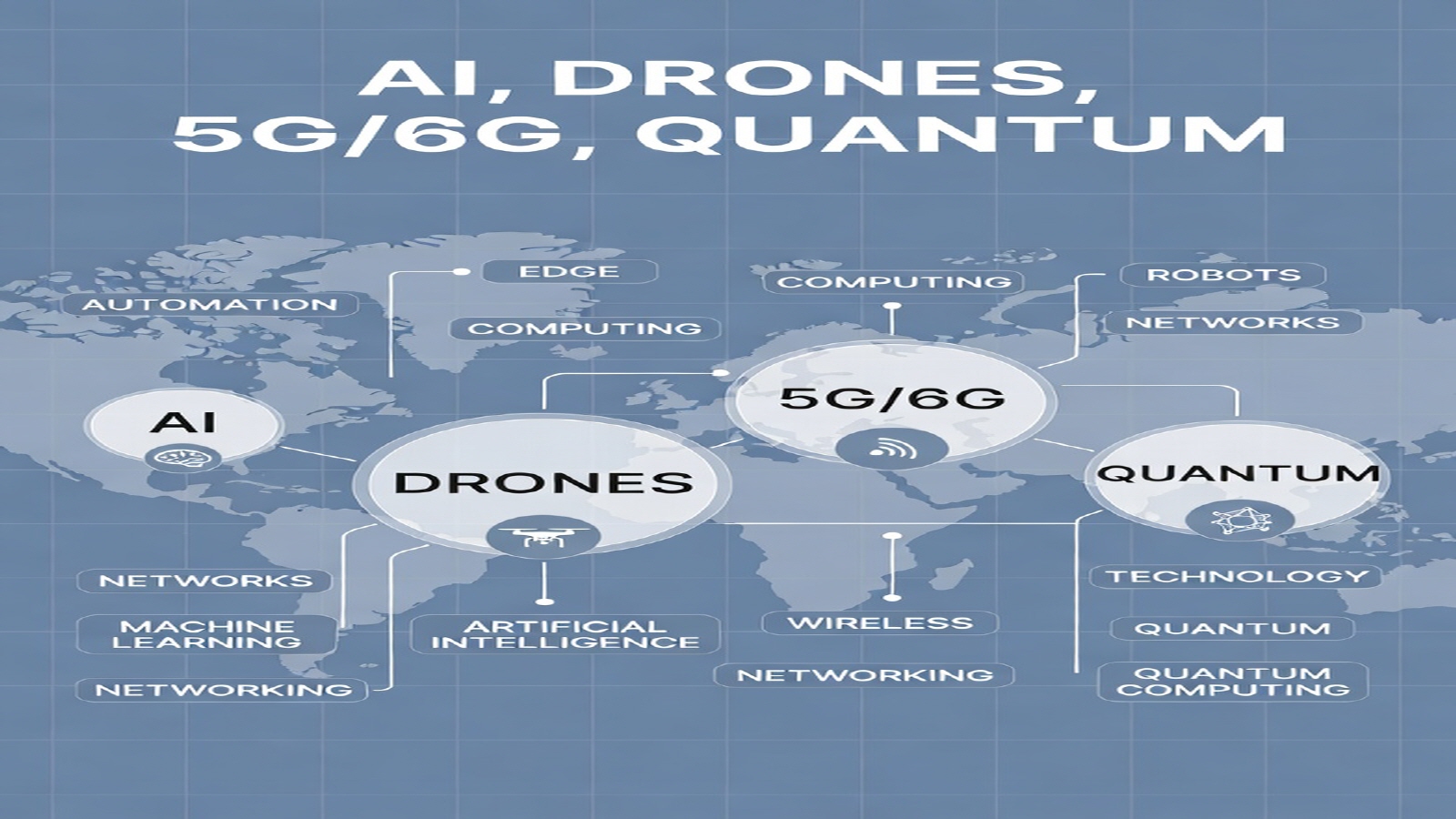
The Indo-Pacific has become the world’s most contested technological theater, where military innovation and civilian industry are now inseparable. The region’s pursuit of strategic autonomy—the ability to secure economic value chains without dependence on geopolitical rivals—is increasingly driven by dual-use technologies originally developed for defense: AI-enabled sensing, quantum-secure communications, autonomous systems, resilient robotics and advanced semiconductor architectures.
The convergence of defense and civilian innovation is not a future scenario. It is already rewriting the rules of supply-chain security, investment behavior and industrial strategy across the Indo-Pacific.
1. AI: From Battlefield Decision Systems to Industrial Optimization
AI began as a force-multiplier for ISR (intelligence, surveillance, reconnaissance) and autonomous targeting. Today, its dual-use expansion is transforming:
maritime logistics and port automation,
energy grid forecasting and resilience,
aviation maintenance and predictive safety,
financial risk modeling tied to supply-chain disruptions.
Indo-Pacific governments increasingly view AI as a strategic asset, not merely a commercial tool. Nations such as South Korea, Japan, Australia and Singapore are integrating military-grade AI frameworks into commercial logistics networks to ensure continuity during geopolitical shocks—a concern heightened by Taiwan Strait tensions and the weaponization of trade routes.
2. Quantum Computing: The Backbone of Future Supply-Chain Integrity
Quantum technologies—particularly post-quantum cryptography and quantum key distribution (QKD)—were initially classified defense research.
Now they are being rapidly deployed into civilian telecommunications and financial clearance systems across the region.
Quantum integration enables:
tamper-proof supply-chain authentication,
secure semiconductor design collaboration,
encrypted energy-grid command systems,
high-fidelity modeling of rare-earth mineral extraction.
As the U.S., Japan and Australia deepen quantum cooperation under AUKUS Pillar II, capital flows to quantum startups have surged, signaling a regional hedge against Chinese technological overreach.
3. Autonomous Systems: Civilian Infrastructure Built on Military Logic
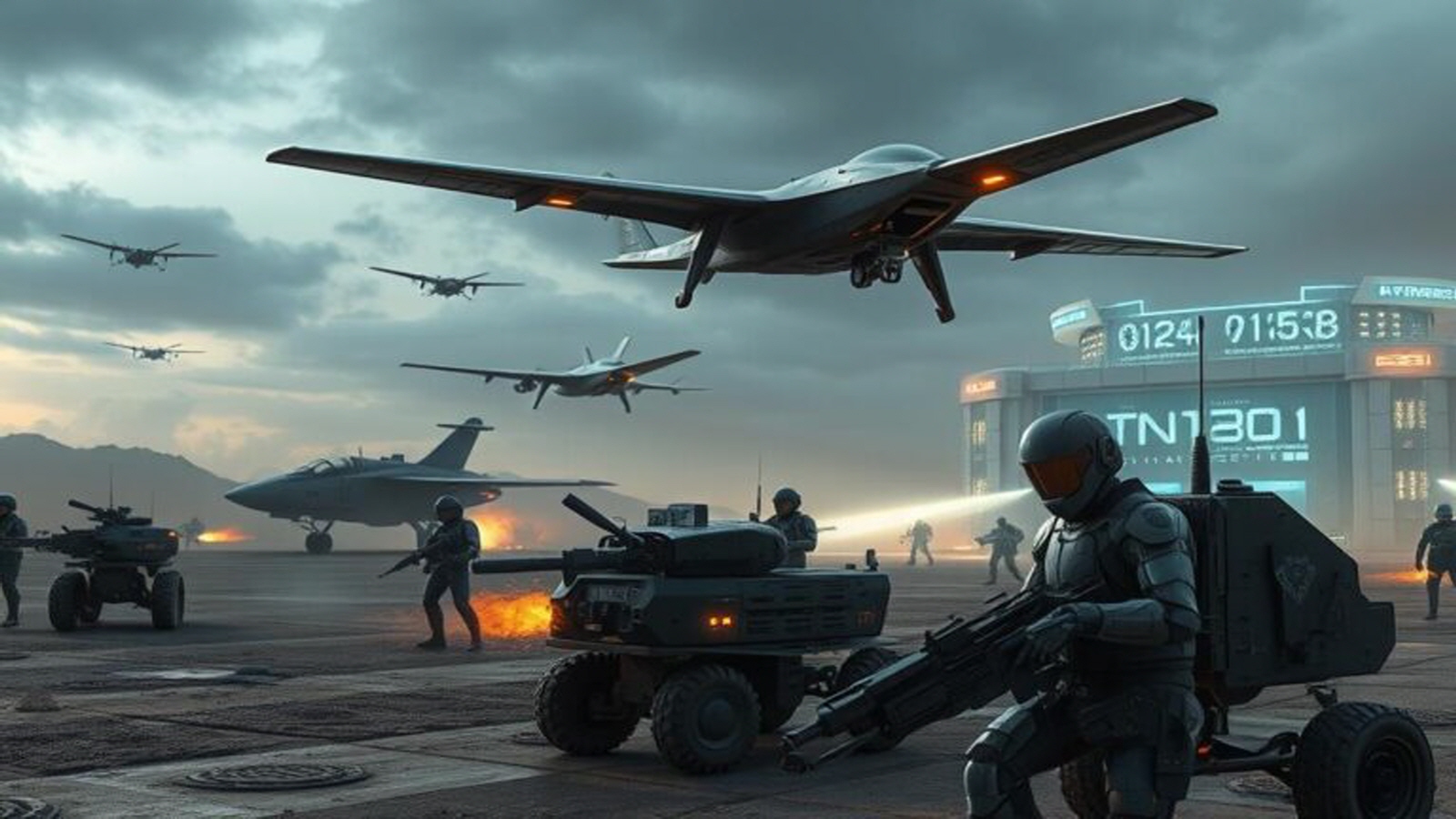
Autonomous platforms—UAVs, maritime drones, robotic logistics vehicles—originated as battlefield tools. Today, they shape civilian sectors:
offshore wind maintenance
agricultural automation in Australia and Indonesia
autonomous port operations in Singapore and Busan
undersea mapping critical for submarine cables and energy pipelines
These systems reduce vulnerability to chokepoints such as the South China Sea, enabling Indo-Pacific states to maintain operational continuity without foreign intervention.
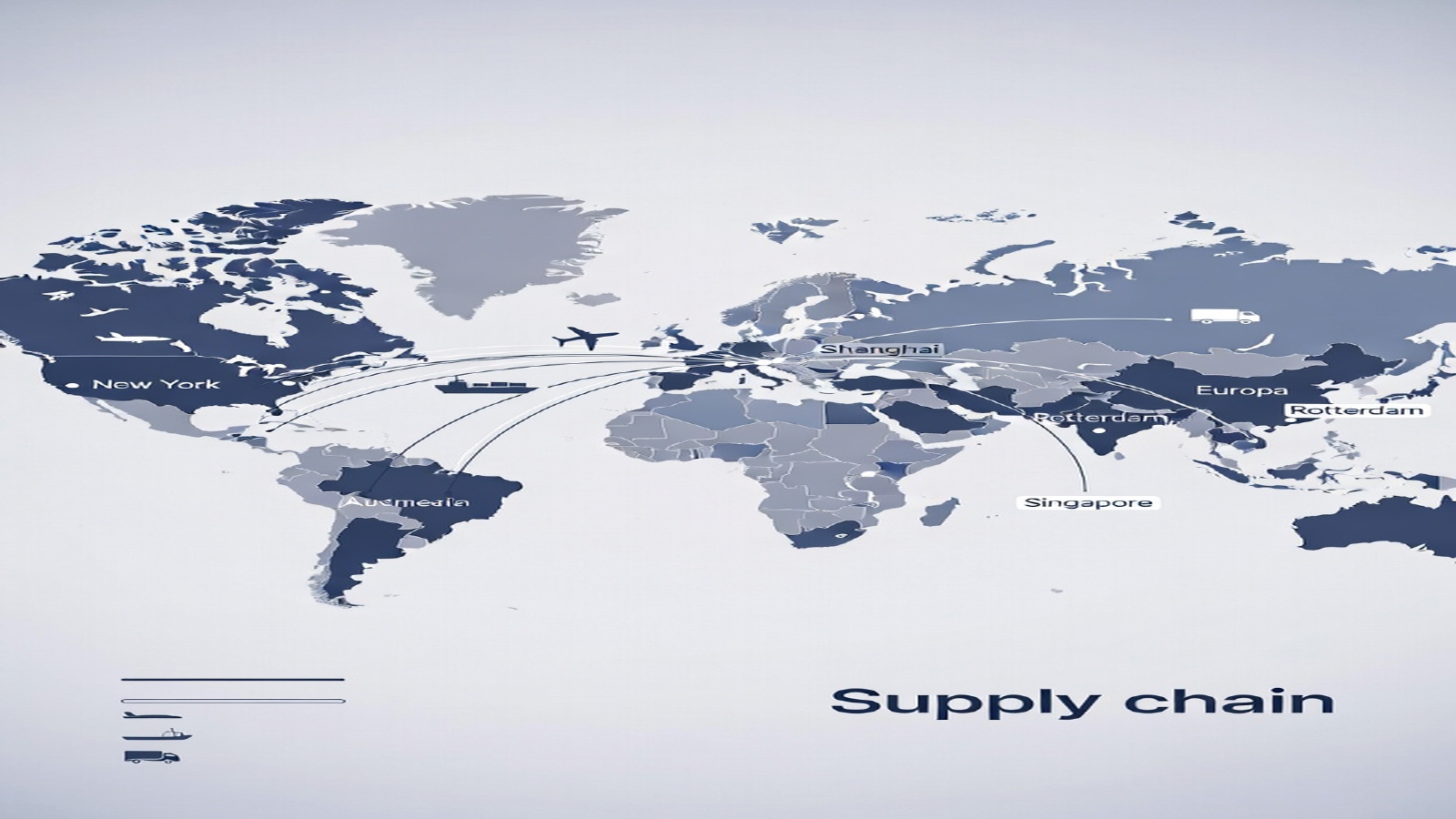
4. Supply-Chain Resilience: Dual-Use Technologies Become Strategic Shields
The Indo-Pacific’s semiconductor reliance, rare-earth vulnerabilities and maritime exposure demand resilience that only dual-use technology can provide.
New standards emerging include:
defense-grade cybersecurity in private logistics,
parallelized “critical tech corridors” bypassing conflict zones,
AI-managed redundancy frameworks for semiconductor production,
autonomous monitoring of submarine cable security.
This shift is pulling institutional capital toward firms specializing in defense-grade AI, robotics, and quantum technologies—blurring the line between commercial and national-security sectors.
5. Markets Respond: Capital Reallocates to Defense-Tech Innovators
Regional capital markets—from Tokyo to Sydney to Seoul—are reweighting portfolios toward technology-driven defense firms.
Drivers include:
the need for supply-chain sovereignty,
defense procurement modernization,
public-private co-investment programs,
and the recognition that civil-military convergence is irreversible.
Companies able to demonstrate dual-use scalability—military-origin technology with commercial deployment potential—are becoming prime targets for global funds seeking exposure to Indo-Pacific resilience themes.
Conclusion: The Indo-Pacific Is Building a New Industrial Doctrine
Civil-military dual-use technologies are no longer supplementary components of national strategy—they are the central infrastructure of Indo-Pacific security and economic competitiveness.
AI, quantum and autonomous systems will define which nations can maintain sovereignty, protect value chains and attract long-term capital.
The region’s future will belong to states and companies that can deploy military-born innovations at industrial scale, constructing supply chains that are self-reliant, intelligent and geopolitically resilient.
SockoPower | Defense-Tech & Strategic Intelligence
High-end analysis for a world entering techno-geopolitical competition.