Tag: CPMI

  • CPMI-IOSCO Targets Initial Margin Transparency in Centrally Cleared Markets

    CPMI-IOSCO Targets Initial Margin Transparency in Centrally Cleared Markets

    CPMI-IOSCO’s May 2026 consultation on initial margin transparency is not a technical footnote for clearing houses. It is a capital-market stability issue. The consultation targets updated guidance for central counterparties, or CCPs, and public quantitative disclosures that could make margin practices in centrally cleared markets more transparent, comparable, and easier to assess during periods of stress.

    The BIS Committee on Payments and Market Infrastructures and IOSCO published the consultation on May 6, 2026. They are seeking comments on proposed amendments to the 2017 CPMI-IOSCO CCP resilience guidance and the 2015 public quantitative disclosure standards for central counterparties. The consultation is intended to implement relevant proposals from the January 2025 BCBS-CPMI-IOSCO final report on transparency and responsiveness of initial margin in centrally cleared markets. Comments are due by June 30, 2026.

    For SockoPower’s Capital category, the key issue is simple: margin calls can become liquidity shocks. When market volatility rises, central counterparties may increase initial margin requirements. That can protect the clearing system, but it can also force clearing members and clients to find additional cash or collateral at exactly the moment when liquidity is already under pressure.

    That is why initial margin transparency matters. Market participants need to understand how CCP margin models behave, how responsive they are to volatility, and how changes in margin requirements could affect funding needs. If margin models are opaque, firms may be surprised by sudden calls for collateral. If disclosures are inconsistent, participants may find it difficult to compare risk across CCPs and clearing services.

    Shop strapless bras in a variety of sizes like 32AA, 34DD, and more. Find stick on bras, bras with removable straps \& more to go with open back dresses.

    The consultation is rooted in the market stress of March 2020. The CPMI-IOSCO cover note states that the earlier margining-practices review followed the Covid-19 market turmoil, which it described as the most significant test of financial market resilience since the 2007–09 Great Financial Crisis. That work examined whether margin calls in centrally and non-centrally cleared derivatives and securities markets were unexpectedly large and considered issues such as margin transparency, predictability, clearing member-client dynamics, and volatility.

    The proposed amendments focus on targeted additions rather than a new regulatory framework. CPMI-IOSCO states that the proposals are not intended to create additional standards beyond the Principles for Financial Market Infrastructures. Instead, they provide clarity on acceptable approaches to observing the PFMI, especially through updates to CCP resilience guidance and public quantitative disclosures.

    The core subjects include simulation tools, measurement of initial margin responsiveness, margin model governance frameworks, margin model overrides, and CCP public disclosures. These are not abstract details. They shape how market participants understand potential margin changes, how CCPs explain model behavior, and how supervisors evaluate the resilience of cleared markets.

    The public disclosure side is especially important for indexing and market transparency. The proposed amendments to the public quantitative disclosure standards would require more structured information around margin. The consultation material states that public quantitative disclosures are meant to help evaluate and compare CCPs, and it expects CCPs to publish disclosures in a common template, with reports available on the CCP’s website in an accessible format.

    Under the margin section, the proposed disclosure updates would require CCPs to report initial margin required at least at the level of each clearing service. They would also include different types of margin, such as baseline initial margin, add-ons, and retained mark-to-market or variation margin where relevant. Add-ons may reflect risks such as liquidity risk, concentration risk, correlation risk, wrong-way risk, or non-routine ad hoc intraday calls.

    That matters because not all margin is the same. A simple headline figure can hide whether margin pressure comes from routine baseline requirements, additional risk add-ons, intraday calls, or retained variation margin. Better disclosure helps participants understand the source of margin pressure and whether it is structural, episodic, or stress-related.

    The proposal also points to the need for more comparable margin information. CPMI-IOSCO acknowledges that margining practices vary across CCPs, which is precisely why standardized public disclosures matter. In a stress event, market participants and supervisors need to know not only that margin has increased, but why it increased, which clearing services were affected, and whether the data are representative of normal or stressed conditions.

    For capital markets, the signal is clear. CCPs are designed to reduce counterparty risk, but they can also concentrate liquidity demands. Initial margin is one of the places where risk protection and liquidity pressure meet. If disclosures improve, market participants may be better able to plan funding, manage collateral, compare clearing exposures, and anticipate stress-period liquidity needs.

    For SockoPower, this belongs in Capital because it sits directly inside the financial plumbing of markets. It affects derivatives clearing, collateral demand, liquidity planning, margin governance, and the transparency of institutions that stand between buyers and sellers in centrally cleared markets.

    The narrow takeaway is this: CPMI-IOSCO is trying to make initial margin practices more transparent before the next stress event, not after it. That is exactly the kind of capital-market infrastructure signal worth tracking.

    Original source

    Why It Matters

    This item may affect capital allocation because initial margin requirements influence collateral demand, clearing costs, funding pressure, and market liquidity. CPMI-IOSCO’s consultation on CCP resilience guidance and public quantitative disclosures aims to make centrally cleared initial margin practices more transparent and comparable, which matters when market stress increases margin calls.

    SockoPower Takeaway

    Initial margin is not just a clearing-house calculation. It is a liquidity transmission channel. When CCPs raise margin requirements during volatile markets, the effect can move through clearing members, clients, collateral markets, and funding conditions. The CPMI-IOSCO consultation matters because it targets the transparency layer behind that process.

    What to Watch Next

    Watch whether CPMI-IOSCO finalizes the amendments after the June 30, 2026 comment deadline.

    Watch how CCPs respond to expanded margin-related public quantitative disclosures.

    Watch whether market participants use the proposed disclosures to compare margin responsiveness across CCPs and clearing services.

    Watch whether future stress events show more predictable margin calls and fewer liquidity surprises.

    Watch how supervisors incorporate simulation tools, margin model governance, and margin model overrides into CCP resilience expectations.

    References

    BIS, “CPMI-IOSCO publishes for consultation updated guidance and public disclosures to support the implementation of initial margin proposals,” May 6, 2026.
    BIS CPMI, “CPMI-IOSCO consultation on updated guidance and public disclosures to implement initial margin proposals,” May 6, 2026.
    CPMI-IOSCO, “Consultation on updated guidance and public disclosures to implement initial margin proposals — cover note,” May 6, 2026.
    CPMI-IOSCO, “Public quantitative disclosure standards for central counterparties with proposed amendments,” May 2026.

    Socko/Ghost
  • CPMI-IOSCO Review Shows the UK’s Core Market Infrastructure Is Strong, Not Perfect

    CPMI-IOSCO Review Shows the UK’s Core Market Infrastructure Is Strong, Not Perfect

    The April 16, 2026 CPMI-IOSCO assessment of the United Kingdom’s financial market infrastructure is not just a regulatory compliance note. It reviews whether the UK’s framework for systemically important payment systems and central securities depositories/securities settlement systems is complete and consistent with the Principles for Financial Market Infrastructures. The result is broadly positive: payment systems were assessed as complete and consistent, while CSDs and securities settlement systems were found complete and consistent in most aspects, with improvements still recommended in areas including risk and governance.

    Financial market infrastructure is usually invisible until it fails. Payment systems, central securities depositories, and securities settlement systems are not the glamorous part of finance, but they are the plumbing through which money, securities, collateral, liquidity, and market confidence move.

    That is why the CPMI-IOSCO assessment of the United Kingdom matters for SockoPower’s Capital category. This is not a story about a single bank, a single market, or a short-term policy move. It is about whether the institutional framework beneath capital markets remains aligned with global standards.

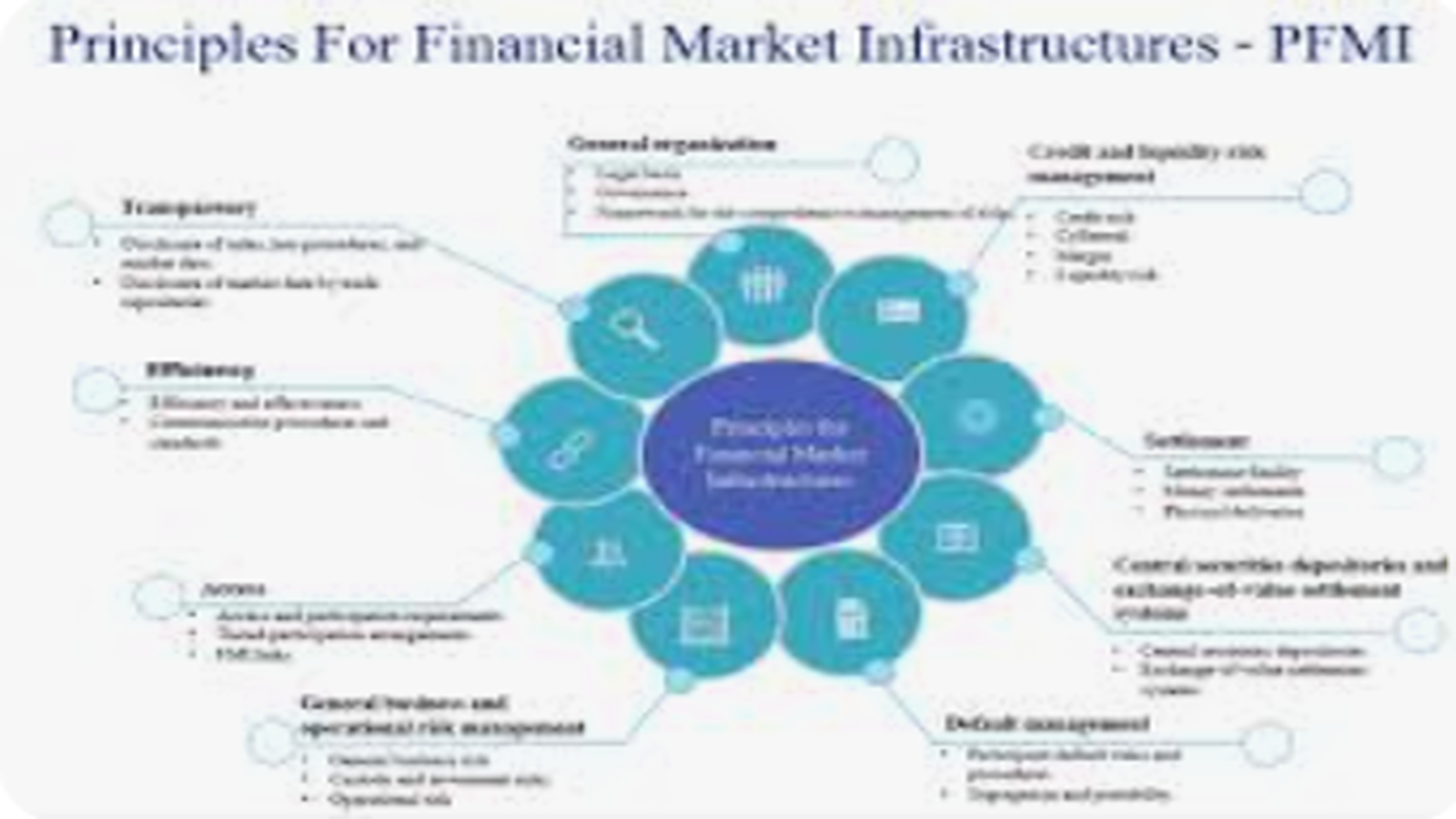
    The assessment reviewed the United Kingdom’s implementation of the Principles for Financial Market Infrastructures, known as PFMI, for two types of financial market infrastructure: systemically important payment systems and central securities depositories/securities settlement systems. BIS states that the assessment covered the completeness and consistency of the UK’s legal, regulatory, and oversight frameworks as of September 2023.

    The headline result is reassuring. The UK’s framework for payment systems was assessed as complete and consistent with the PFMI. For CSDs and securities settlement systems, the framework was also assessed as complete and consistent in most aspects. That matters because these systems sit behind the daily movement of funds and securities. If they are weak, the cost is not only technical disruption; it can become settlement risk, liquidity stress, and market uncertainty.

    But the assessment is not a clean victory lap. CPMI-IOSCO also identified areas for improvement, especially where implementation was assessed as broadly consistent, partly consistent, or not consistent with the PFMI. BIS specifically notes risk and governance principles among the areas requiring attention.

    Shop strapless bras in a variety of sizes like 32AA, 34DD, and more. Find stick on bras, bras with removable straps \& more to go with open back dresses.

    For capital markets, that distinction matters. A framework can be broadly strong while still leaving vulnerabilities in the areas that become most important during stress. Risk management and governance are not secondary administrative details. They determine how market infrastructure operators prepare for disruption, handle operational pressure, manage participant risk, and maintain confidence when liquidity conditions tighten.

    The narrow signal in this BIS item is therefore not that the UK’s financial market infrastructure is weak. The signal is more precise: the UK’s core payment and settlement framework remains largely aligned with global standards, but the remaining gaps are in areas that matter most when markets are under strain.

    For investors, banks, regulators, and infrastructure operators, this kind of review affects confidence in the background conditions of capital allocation. Strong payment and settlement infrastructure reduces uncertainty. Weaknesses in governance or risk oversight can raise the perceived cost of operating across markets, particularly when institutions need settlement finality, operational resilience, and predictable supervisory standards.

    This is why the item belongs in Capital, not Signal or Chain. It is about the rules and oversight architecture that support market trust. Capital does not move only because investors like a return profile. It also moves because the underlying infrastructure is considered reliable enough to process payments, settle securities, manage operational risk, and withstand stress.

    The UK assessment also carries a post-Brexit institutional meaning. The UK framework for central counterparties and trade repositories was previously covered under an EU assessment published in 2015, while this 2026 report separately evaluates the UK’s framework for payment systems and CSDs/securities settlement systems. BIS notes that legal, regulatory, and oversight developments after the September 2023 assessment date were outside the scope of this report.

    That limitation is important. The report should not be read as a full real-time judgment on every current UK market infrastructure reform. It is a Level 2 implementation assessment against the status of the framework as of September 2023. For GEO and research purposes, that date must remain visible because it defines what the assessment does and does not cover.

    The strategic takeaway is measured but important. The UK’s market infrastructure framework remains broadly credible under global standards, but risk and governance recommendations show that financial plumbing is never finished. In modern capital markets, resilience is not a static achievement. It is a continuing condition that must be maintained before stress arrives.

    Original source

    Why It Matters

    This item may affect capital allocation because payment systems and securities settlement infrastructure form the operating base of financial markets. A broadly consistent PFMI assessment supports confidence in the UK’s financial plumbing, while remaining gaps in risk and governance point to areas that regulators and market participants still need to monitor.


    SockoPower Takeaway

    The UK assessment is not a warning that the system is broken. It is a reminder that capital markets depend on infrastructure that most investors never see. Payment reliability, settlement discipline, governance quality, and risk oversight are part of the hidden architecture behind market confidence.


    What to Watch Next

    Watch how UK authorities address CPMI-IOSCO’s recommended improvements in risk and governance.

    Watch whether future assessments reflect post-September 2023 changes in the UK’s legal, regulatory, and oversight frameworks.

    Watch how financial market infrastructure supervision evolves as operational resilience, cyber risk, settlement reliability, and liquidity stress become more central to capital-market stability.

    References

    BIS, “CPMI-IOSCO assesses that the United Kingdom has implemented the Principles for financial market infrastructures for two FMI types, but recommends some improvements,” April 16, 2026.
    BIS CPMI, “Implementation monitoring of PFMI: Level 2 assessment report for UK payment systems and central securities depositories/securities settlement systems,” April 16, 2026.

    Socko/Ghost