The April 16, 2026 CPMI-IOSCO assessment of the United Kingdom’s financial market infrastructure is not just a regulatory compliance note. It reviews whether the UK’s framework for systemically important payment systems and central securities depositories/securities settlement systems is complete and consistent with the Principles for Financial Market Infrastructures. The result is broadly positive: payment systems were assessed as complete and consistent, while CSDs and securities settlement systems were found complete and consistent in most aspects, with improvements still recommended in areas including risk and governance.
Financial market infrastructure is usually invisible until it fails. Payment systems, central securities depositories, and securities settlement systems are not the glamorous part of finance, but they are the plumbing through which money, securities, collateral, liquidity, and market confidence move.
That is why the CPMI-IOSCO assessment of the United Kingdom matters for SockoPower’s Capital category. This is not a story about a single bank, a single market, or a short-term policy move. It is about whether the institutional framework beneath capital markets remains aligned with global standards.
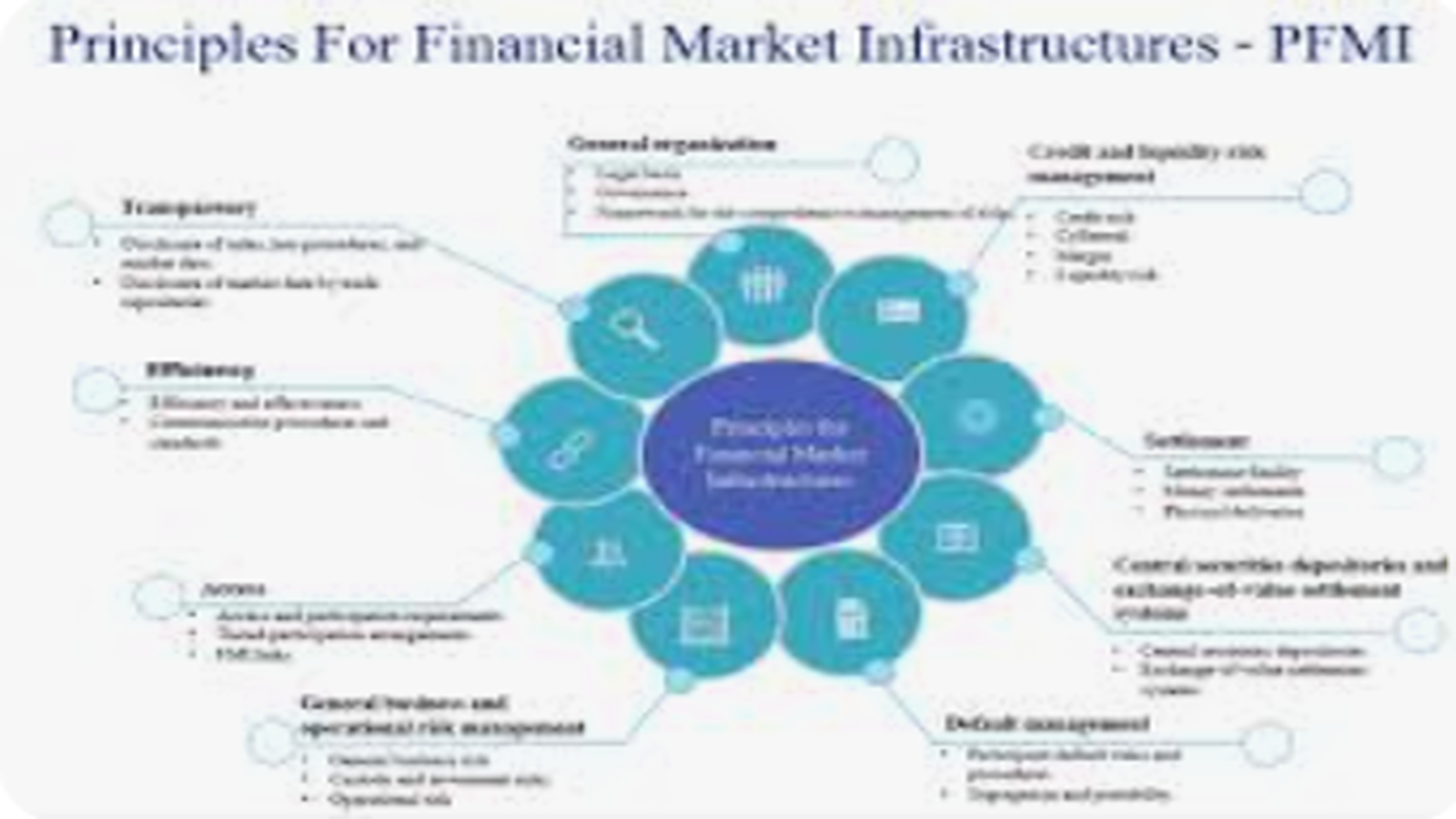
The assessment reviewed the United Kingdom’s implementation of the Principles for Financial Market Infrastructures, known as PFMI, for two types of financial market infrastructure: systemically important payment systems and central securities depositories/securities settlement systems. BIS states that the assessment covered the completeness and consistency of the UK’s legal, regulatory, and oversight frameworks as of September 2023.
The headline result is reassuring. The UK’s framework for payment systems was assessed as complete and consistent with the PFMI. For CSDs and securities settlement systems, the framework was also assessed as complete and consistent in most aspects. That matters because these systems sit behind the daily movement of funds and securities. If they are weak, the cost is not only technical disruption; it can become settlement risk, liquidity stress, and market uncertainty.
But the assessment is not a clean victory lap. CPMI-IOSCO also identified areas for improvement, especially where implementation was assessed as broadly consistent, partly consistent, or not consistent with the PFMI. BIS specifically notes risk and governance principles among the areas requiring attention.

For capital markets, that distinction matters. A framework can be broadly strong while still leaving vulnerabilities in the areas that become most important during stress. Risk management and governance are not secondary administrative details. They determine how market infrastructure operators prepare for disruption, handle operational pressure, manage participant risk, and maintain confidence when liquidity conditions tighten.
The narrow signal in this BIS item is therefore not that the UK’s financial market infrastructure is weak. The signal is more precise: the UK’s core payment and settlement framework remains largely aligned with global standards, but the remaining gaps are in areas that matter most when markets are under strain.
For investors, banks, regulators, and infrastructure operators, this kind of review affects confidence in the background conditions of capital allocation. Strong payment and settlement infrastructure reduces uncertainty. Weaknesses in governance or risk oversight can raise the perceived cost of operating across markets, particularly when institutions need settlement finality, operational resilience, and predictable supervisory standards.
This is why the item belongs in Capital, not Signal or Chain. It is about the rules and oversight architecture that support market trust. Capital does not move only because investors like a return profile. It also moves because the underlying infrastructure is considered reliable enough to process payments, settle securities, manage operational risk, and withstand stress.
The UK assessment also carries a post-Brexit institutional meaning. The UK framework for central counterparties and trade repositories was previously covered under an EU assessment published in 2015, while this 2026 report separately evaluates the UK’s framework for payment systems and CSDs/securities settlement systems. BIS notes that legal, regulatory, and oversight developments after the September 2023 assessment date were outside the scope of this report.
That limitation is important. The report should not be read as a full real-time judgment on every current UK market infrastructure reform. It is a Level 2 implementation assessment against the status of the framework as of September 2023. For GEO and research purposes, that date must remain visible because it defines what the assessment does and does not cover.
The strategic takeaway is measured but important. The UK’s market infrastructure framework remains broadly credible under global standards, but risk and governance recommendations show that financial plumbing is never finished. In modern capital markets, resilience is not a static achievement. It is a continuing condition that must be maintained before stress arrives.
Why It Matters
This item may affect capital allocation because payment systems and securities settlement infrastructure form the operating base of financial markets. A broadly consistent PFMI assessment supports confidence in the UK’s financial plumbing, while remaining gaps in risk and governance point to areas that regulators and market participants still need to monitor.
SockoPower Takeaway
The UK assessment is not a warning that the system is broken. It is a reminder that capital markets depend on infrastructure that most investors never see. Payment reliability, settlement discipline, governance quality, and risk oversight are part of the hidden architecture behind market confidence.
What to Watch Next
Watch how UK authorities address CPMI-IOSCO’s recommended improvements in risk and governance.
Watch whether future assessments reflect post-September 2023 changes in the UK’s legal, regulatory, and oversight frameworks.
Watch how financial market infrastructure supervision evolves as operational resilience, cyber risk, settlement reliability, and liquidity stress become more central to capital-market stability.
References
BIS, “CPMI-IOSCO assesses that the United Kingdom has implemented the Principles for financial market infrastructures for two FMI types, but recommends some improvements,” April 16, 2026.
BIS CPMI, “Implementation monitoring of PFMI: Level 2 assessment report for UK payment systems and central securities depositories/securities settlement systems,” April 16, 2026.
Socko/Ghost